Bamboo products are everywhere toothbrushes, straws, cutlery, home essentials. They’re often marketed as the perfect eco-friendly alternative to plastic. But an important question remains: are bamboo products truly sustainable, or just another green trend?
At Naturest India, sustainability is about facts, not hype. This guide breaks down what makes bamboo sustainable, where it genuinely helps the environment, and what you should look for before switching to bamboo products in daily life.
🌿 Why Bamboo Is Considered a Sustainable Material
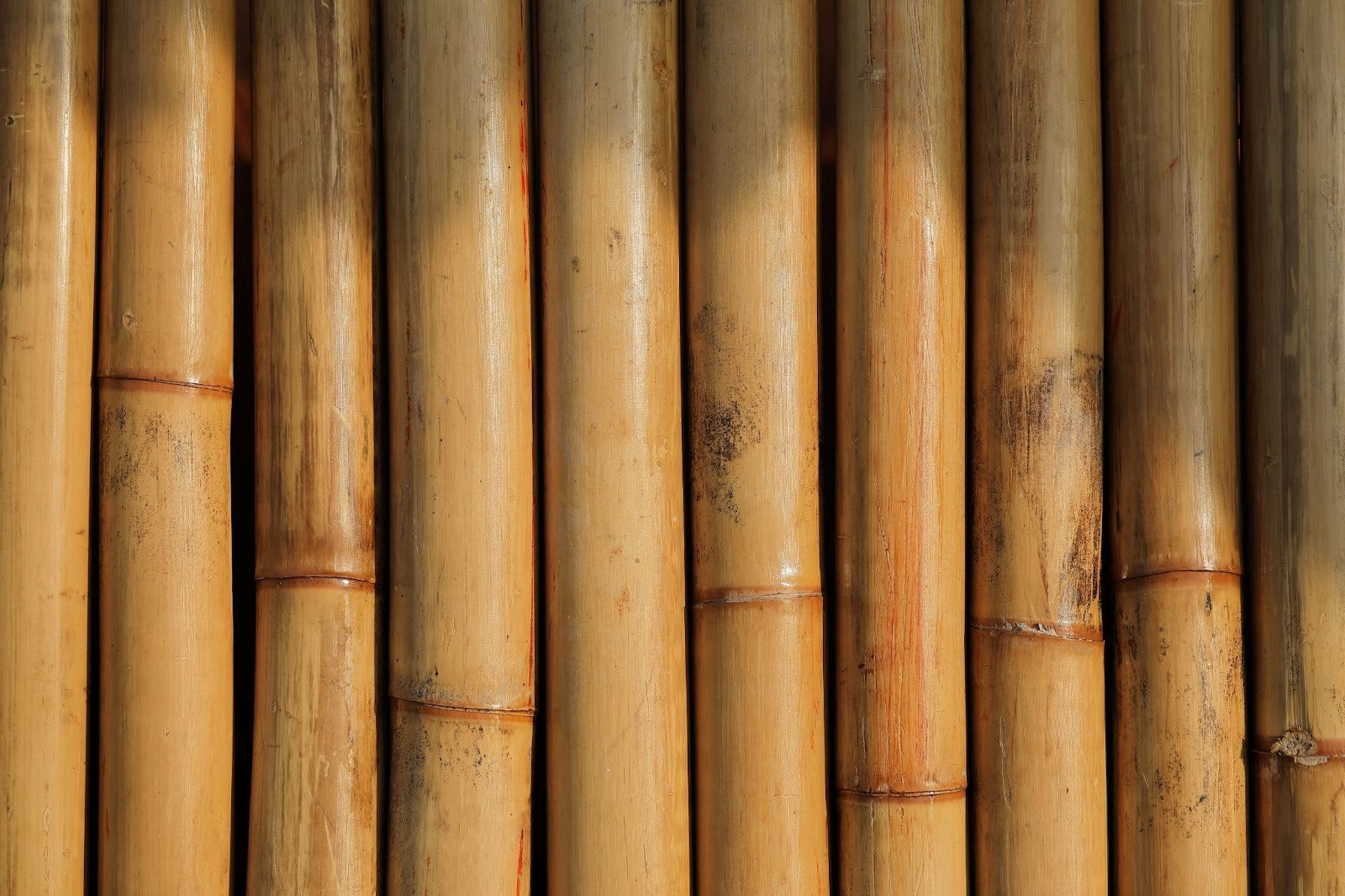
Bamboo is often called a miracle plant and for good reason.
Bamboo’s natural advantages:
- Grows extremely fast (some species grow up to 3 feet a day)
- Requires very little water
- Grows without chemical fertilizers or pesticides
- Regenerates from its roots (no replanting needed)
Compared to plastic or hardwood, bamboo has a much lower environmental footprint at the raw material stage.
🧼 Common Bamboo Products for Daily Use

Bamboo is now widely used in everyday lifestyle products such as:
- Bamboo toothbrushes
- Reusable bamboo straws
- Bamboo tongue cleaners
- Household and personal care accessories
These products are designed to replace single-use or plastic-heavy alternatives, making them ideal for low-waste living.
♻️ Are Bamboo Products Really Better Than Plastic?

✅ Where bamboo wins:
- Biodegradable under proper conditions
- Renewable resource
- Lower carbon footprint than plastic
- Reduces dependency on fossil fuels
⚠️ Where you should be careful:
- Some bamboo products are combined with plastics or resins
- Low-quality bamboo items may not last long
- Not all bamboo products are fully compostable
Sustainability depends on how the product is made — not just the material.
🌍 The Environmental Impact of Bamboo Products
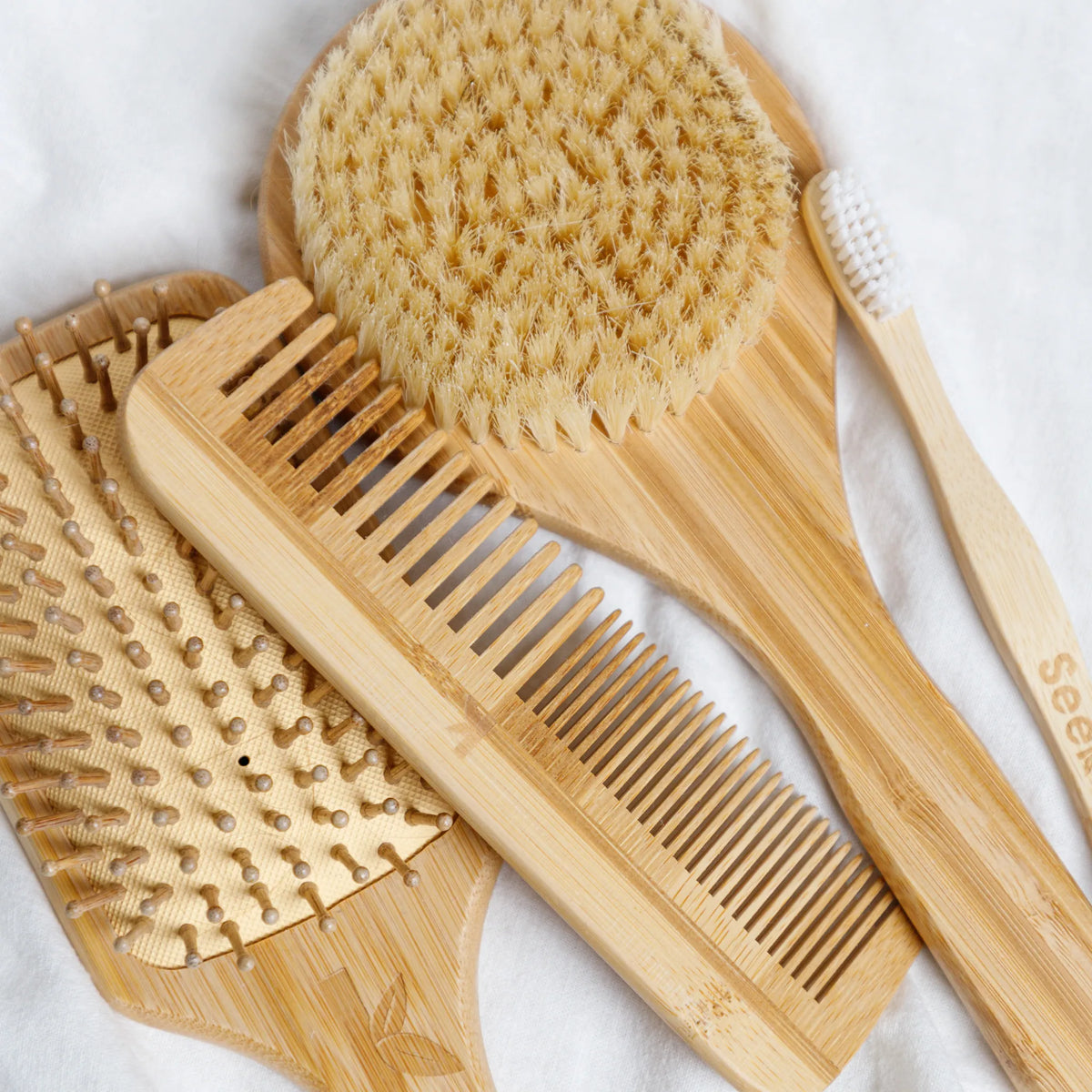
When produced responsibly, bamboo products:
- Break down naturally at end of life
- Reduce plastic waste in landfills and oceans
- Require less energy than plastic manufacturing
- Support a shift toward renewable materials
For items like toothbrushes and straws, which are often single-use in plastic form, bamboo offers a clear environmental advantage.
🛁 Bamboo Products & Low-Waste Living

Bamboo products are often a gateway to sustainable living.
They help people:
- Start reducing plastic easily
- Adopt reusable habits
- Build a low-waste bathroom or kitchen
- Support eco-conscious brands
Naturest India uses bamboo thoughtfully focusing on durability, usability, and real waste reduction, not just aesthetics.
🧠 What Makes a Bamboo Product Truly Sustainable?
Before buying, ask these questions:
- Is the bamboo responsibly sourced?
- Is the product durable and long-lasting?
- Is plastic minimized or avoided completely?
- What happens at the end of its life?
- Does the brand prioritize sustainability beyond marketing?
A bamboo product is only as sustainable as its lifecycle and intent.
🚫 Common Myths About Bamboo Products
❌ “All bamboo products are eco-friendly”
→ Not true. Manufacturing and additives matter.
❌ “Bamboo products don’t last”
→ Well-made bamboo products are surprisingly durable.
❌ “Switching to bamboo alone is enough”
→ Bamboo helps, but conscious consumption matters more.
🌱 So, Are Bamboo Products Worth Using?
Yes when chosen wisely.
Bamboo products are genuinely sustainable when they replace plastic, last long, and are made responsibly. They are not a magic solution, but they are a strong step toward reducing everyday plastic waste.
At Naturest India, bamboo is used as a tool for change, not a trend — helping people make small, practical swaps that add up to real impact.
🌍 Final Thoughts: Sustainability Is in the Details
Bamboo products aren’t sustainable just because they look natural — they’re sustainable when they:
- Reduce plastic usage
- Last longer than disposables
- Return safely to nature
- Support conscious consumption
When paired with mindful habits, bamboo products become a powerful ally in everyday sustainability.
Choose better. Use longer. Waste less. 🌱