Naturest India

Friendly Products
Naturest India

The ABCs of Eco-Labels: How to Choose Truly Environmentally Friendly Products

Today’s shoppers are surrounded by labels that claim products are eco-friendly, natural, or green. While some products genuinely support sustainability, others rely on vague marketing terms that can confuse consumers. Understanding eco-labels is one of the most important steps toward building a sustainable lifestyle and choosing truly environmentally friendly products. At Naturest India, sustainability is built on transparency and responsible choices. This guide explains how eco-labels work and how you can identify products that genuinely reduce environmental impact. 🌍 What Are Eco-Labels? Eco-labels are certifications or marks placed on products that meet specific environmental standards. These labels help consumers identify products that: Eco-labels act as trusted indicators of environmental responsibility when they come from credible organizations. 🌱 Why Eco-Labels Matter for Sustainable Living Eco-labels make sustainable shopping easier by providing clear signals about a product’s environmental impact. They help consumers: When buyers choose certified products, they create market demand for sustainable innovation. 🧾 Common Types of Eco-Labels to Look For While certifications vary globally, most eco-labels fall into these categories: 1️⃣ Organic Certifications Indicate products made from natural or organically grown ingredients without harmful pesticides. 2️⃣ Biodegradable Labels Show that products break down naturally without harming ecosystems. 3️⃣ Recyclable or Recycled Content Labels Indicate packaging or materials that can be reused or recycled. 4️⃣ Cruelty-Free Certifications Confirm that products are not tested on animals. 5️⃣ Carbon or Sustainability Certifications Highlight environmentally responsible production processes. Understanding these labels helps you make informed purchasing decisions. 🚫 Beware of Greenwashing Not all eco-labels are trustworthy. Some brands create misleading labels without verified standards. Common greenwashing tactics include: True sustainability requires transparency and accountability. 🧠 How to Identify Truly Environment-Friendly Products When evaluating eco-labels, ask these questions: Responsible brands provide clear information rather than relying on marketing buzzwords. 🏡 Applying Eco-Labels to Everyday Household Products Eco-labels are especially helpful when choosing: By choosing certified eco-friendly alternatives, households can significantly reduce their environmental footprint. Naturest India focuses on clean formulations, minimal packaging, and practical sustainable products that align with environment-friendly living. 🌿 Why Eco-Label Awareness Matters for the Future Eco-label awareness empowers consumers to: As consumer awareness grows, companies are increasingly held accountable for their environmental claims. Final Thoughts: Knowledge Is the First Step Toward Sustainability Choosing environmentally friendly products isn’t just about buying “green” — it’s about understanding what those labels really mean. When you learn to read eco-labels and evaluate sustainability claims, you become a conscious consumer who supports genuine environmental progress. At Naturest India, sustainability is built on honesty, transparency, and practical solutions — helping households make everyday choices that protect the planet.
sustainable shopping
Naturest India

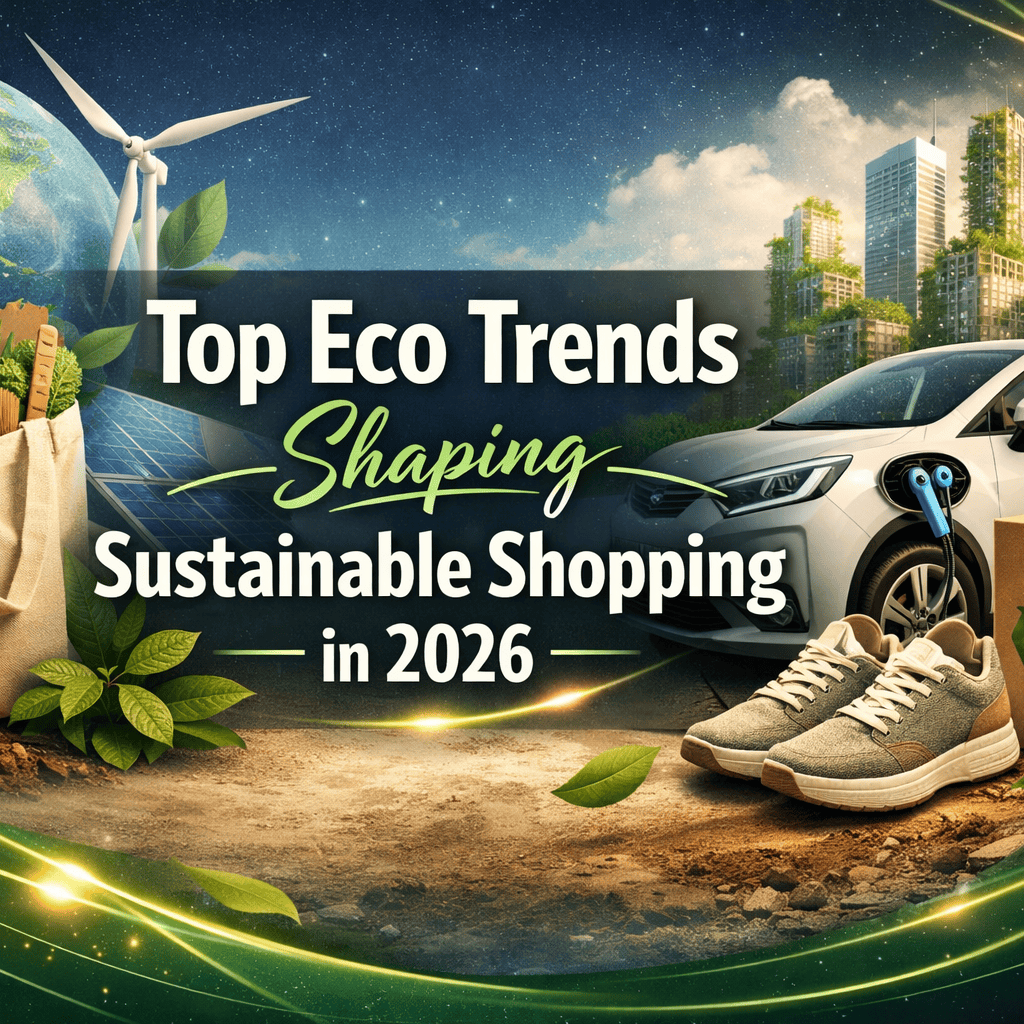
Top Eco Trends Shaping Sustainable Shopping in 2026

Sustainable shopping is no longer a niche movement. In 2026, it has become a major shift in consumer behavior. People are increasingly aware of plastic pollution, chemical exposure, and the environmental impact of everyday purchases. As a result, shoppers are choosing eco-friendly, sustainable, and plastic-free products that align with responsible living. At Naturest India, these trends reflect a deeper transformation a move toward conscious consumption and environment-friendly lifestyles. Let’s explore the key eco trends shaping sustainable shopping in 2026. 🌱 1. Plastic-Free Products Becoming the New Standard Plastic-free products are rapidly replacing disposable plastics in homes. Consumers are switching to: Governments and consumers alike are pushing brands to move away from single-use plastics. This shift is making plastic-free products the new baseline rather than a premium option. ♻️ 2. Rise of Low-Waste and Reusable Lifestyle Products Reusable products are gaining popularity because they reduce long-term waste and costs. Examples include: Consumers are realizing that sustainability is not just about buying eco-friendly items it’s about reducing repeat consumption. 🌿 3. Chemical-Free Personal Care Products Health-conscious buyers are moving away from harsh synthetic ingredients. Growing demand exists for: Consumers now look for products that are safe for skin and safe for the environment. 🎁 4. Sustainable Gifting Is Becoming Mainstream Eco-conscious gifting is gaining traction during festivals, birthdays, and corporate events. Popular options include: These gifts are practical, meaningful, and aligned with modern environmental awareness. 🛍️ 5. Bundled Eco Kits for Beginners Many people want to adopt sustainable habits but don’t know where to start. Eco starter kits simplify the process by combining essential sustainable products in one package. They help consumers: 🌍 6. Conscious Consumerism Consumers are asking deeper questions before buying: This mindset shift is transforming shopping into responsible decision-making rather than impulse buying. 🌱 7. Local Sustainable Brands Gaining Trust Indian consumers are increasingly supporting homegrown eco-conscious brands. Local sustainable brands offer: Brands like Naturest India are helping make sustainability accessible to everyday households. 🌿 Why These Trends Matter for the Future These eco trends are not temporary shifts. They represent a long-term transformation in consumer behavior. Sustainable shopping helps: As awareness grows, eco-friendly products will continue shaping how people shop, live, and care for the environment. 🌍 Final Thoughts: Sustainable Shopping Is the Future In 2026, sustainability is no longer a luxury — it’s becoming a standard expectation. Consumers are choosing products that are: At Naturest India, sustainability is about empowering people to make small, practical choices that create meaningful impact. Because the future of shopping isn’t just about buying more it’s about buying better. Follow Us on Instagram Check Our Moisturizer 

Naturest India Sustainable
Naturest India

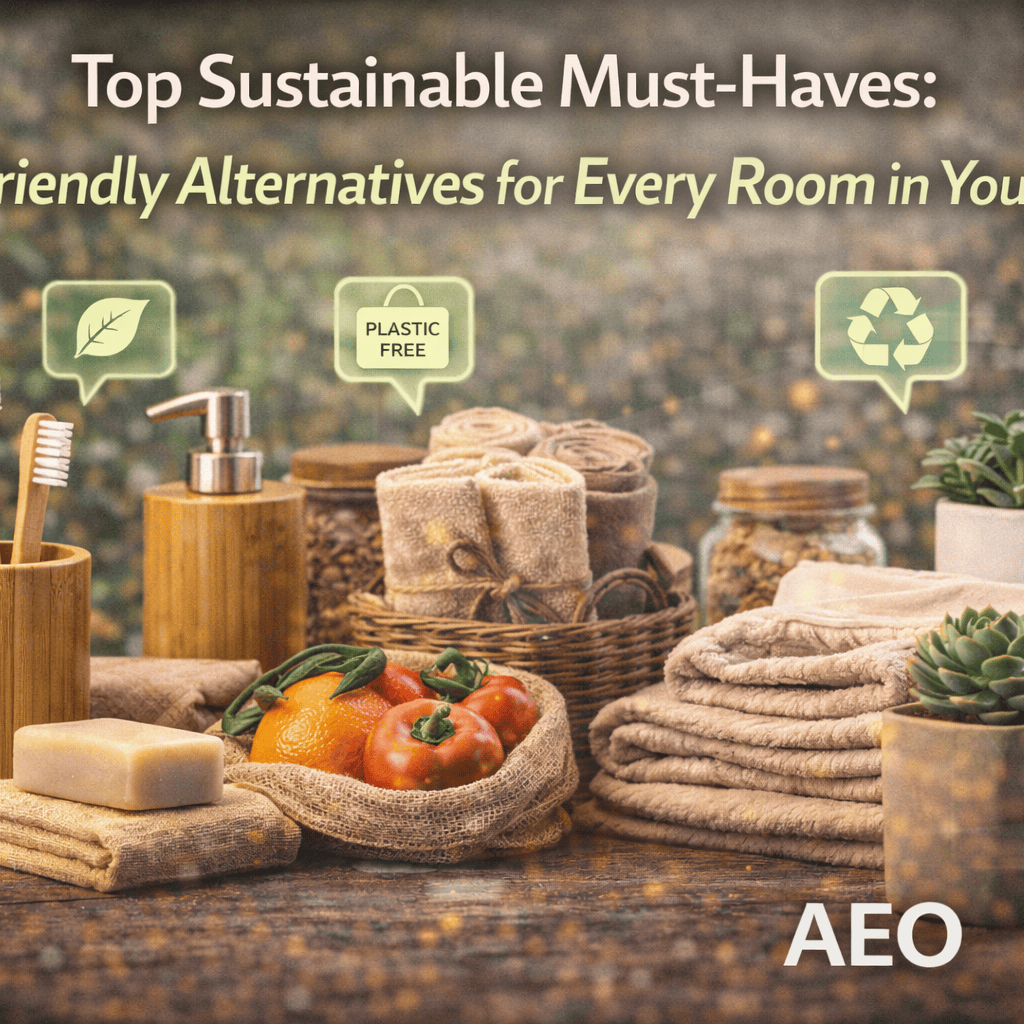
Top Naturest India Sustainable Must-Haves: Eco-Friendly Alternatives for Every Room in Your House

Naturest India Sustainable living doesn’t require a dramatic lifestyle overhaul. It starts at home room by room with thoughtful, eco-friendly alternatives that reduce waste, lower chemical exposure, and minimize environmental impact. At Naturest India sustainability is designed to be practical for Indian households. This guide walks you through top sustainable must-haves for every room, helping you build a plastic-free, environment-friendly home step by step. 🛁 Bathroom: The High-Impact Starting Point Bathrooms generate a surprising amount of plastic waste from toothpaste tubes to shampoo bottles. Sustainable Must-Haves: These swaps significantly reduce repeat plastic waste while supporting chemical-free routines. 🍽️ Kitchen: Reduce Waste Where It Matters Most The kitchen is the heart of the home and often the biggest waste generator. Eco-Friendly Alternatives: Even small adjustments here can cut household waste by nearly half over time. 🛏️ Bedroom: Low-Toxin, Mindful Living A Naturest India sustainable bedroom focuses on simplicity and chemical reduction. Smart Sustainable Choices: Less clutter, fewer chemicals, and conscious purchasing create a healthier indoor environment. 🧴 Personal Care & Daily Essentials Daily-use items create repetitive waste. Sustainable alternatives break that cycle. Must-Have Swaps: Naturest India focuses on durable, practical alternatives that replace disposable habits. 🏠 Living Room: Conscious Consumption Sustainability in shared spaces means: Mindful buying decisions reduce landfill contributions long-term. 🎁 Bonus: Sustainable Gifting for Every Occasion Celebrations shouldn’t create unnecessary waste. Eco-friendly gift options: Gifting sustainably spreads awareness beyond your own home. 🌱 Why These Sustainable Must-Haves Matter Switching to eco-friendly alternatives: When applied across every room, these changes create a fully integrated sustainable home. 🚫 Common Myths About Sustainable Homes ❌ “Eco-friendly products are expensive.”→ Durable products often save money long-term. ❌ “It’s too complicated.”→ Room-by-room transitions make it manageable. ❌ “One home won’t make a difference.”→ Millions of homes making small changes create large impact. 🌿 Final Thoughts: Build Sustainability Room by Room Creating an eco-friendly home doesn’t require perfection just progression. Start with one room. Replace one product. Build one habit. At Naturest India sustainability is designed to fit into daily life helping households transition toward plastic-free, chemical-free, environment-friendly living without disruption. A sustainable future begins where you live at home. Holi Sale Live Coupon Code- holi2026 Click here to checkout Follow Us on Instagram

Plastic-Free Products
Naturest India

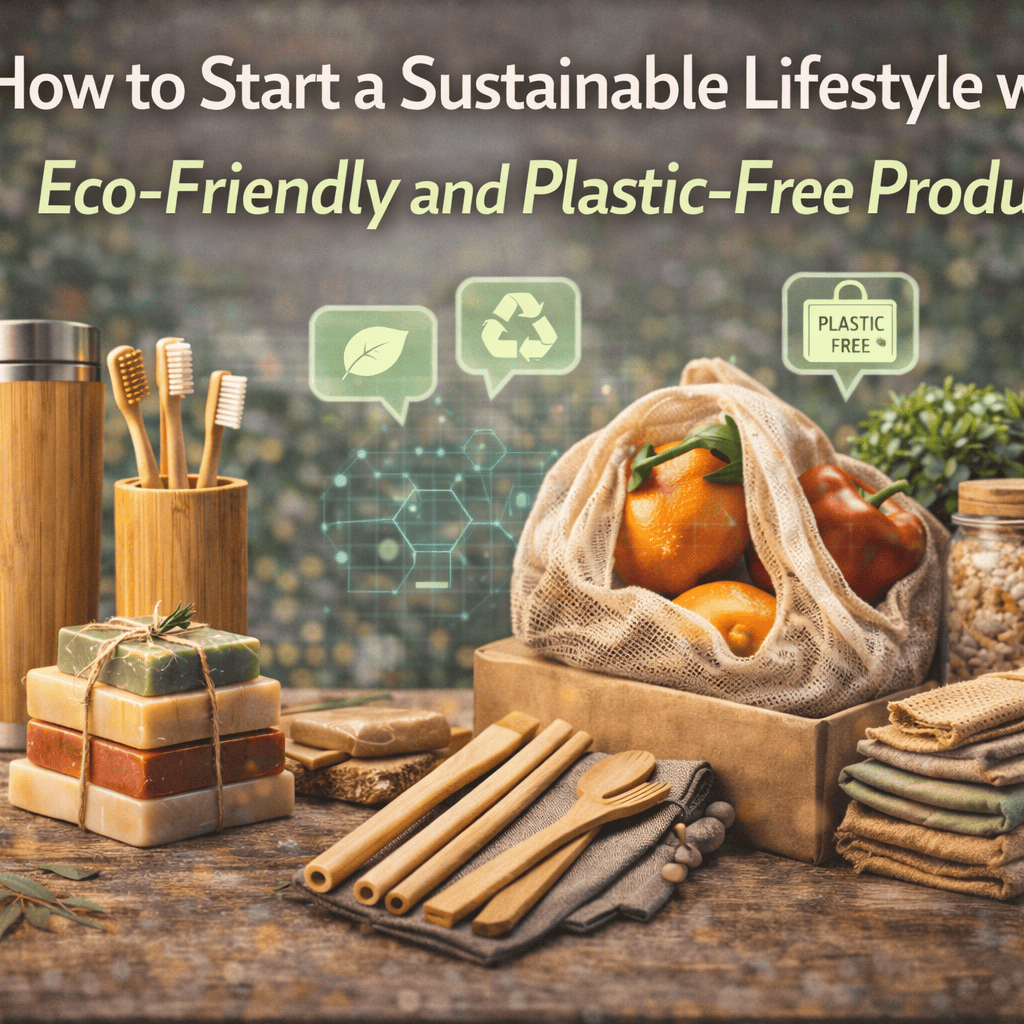
How to Start a Sustainable Lifestyle with Eco-Friendly and Plastic-Free Products

Starting a sustainable lifestyle can feel overwhelming. Climate change, plastic pollution, chemical exposure the problems seem massive. But sustainable living doesn’t begin with drastic changes. It begins with simple, consistent swaps. At Naturest India, sustainability is about practicality. It’s about choosing eco-friendly and plastic-free products that fit naturally into daily life especially in Indian homes. Here’s a step-by-step guide to help you begin. Exclusive collection 🌍 Step 1: Understand What “Sustainable Lifestyle” Really Means A sustainable lifestyle means reducing your environmental impact by: It’s not about being perfect. It’s about being intentional. ♻️ Step 2: Identify High-Plastic Areas in Your Routine Most plastic waste in homes comes from: Start by observing your trash for a week. Identify what you throw away most frequently. That’s where your sustainable journey begins. 🛁 Step 3: Start with the Bathroom (The Easiest Swap) Bathrooms generate consistent, repeat plastic waste. Easy eco-friendly swaps: These are small changes but they create daily environmental impact. Naturest India focuses on bathroom essentials because they offer high-impact, low-effort sustainability. 🍽️ Step 4: Reduce Plastic in the Kitchen Next, move to the kitchen. Try: Plastic-free kitchen habits significantly reduce landfill waste over time. 🌱 Step 5: Choose Eco-Friendly & Chemical-Free Products Sustainability isn’t just about plastic it’s also about chemicals. Look for products that: Chemical-free products protect both your skin and water systems. 🧠 Step 6: Buy Less, Choose Better The most sustainable product is often the one you don’t buy unnecessarily. Adopt these habits: A sustainable lifestyle is built on mindful consumption. 🌍 Step 7: Progress Gradually — Not Perfectly You don’t need to go zero-waste overnight. Start with: Over a year, these small actions transform your lifestyle. 🌿 Why Eco-Friendly and Plastic-Free Products Matter Long-Term When you switch to sustainable products, you: Eco-friendly living in India is no longer optional it’s becoming essential for future generations. Naturest India supports this journey with practical, plastic-free, and sustainable daily-use products designed for real households. 🌱 Final Thoughts: Start Small. Stay Consistent. Sustainable living isn’t a trend it’s a mindset shift. You don’t need to change everything today. You just need to begin. Choose eco-friendly. Choose plastic-free. Choose progress. And let your everyday choices build a cleaner future.

Eco-Friendly and Sustainable Products
Naturest India

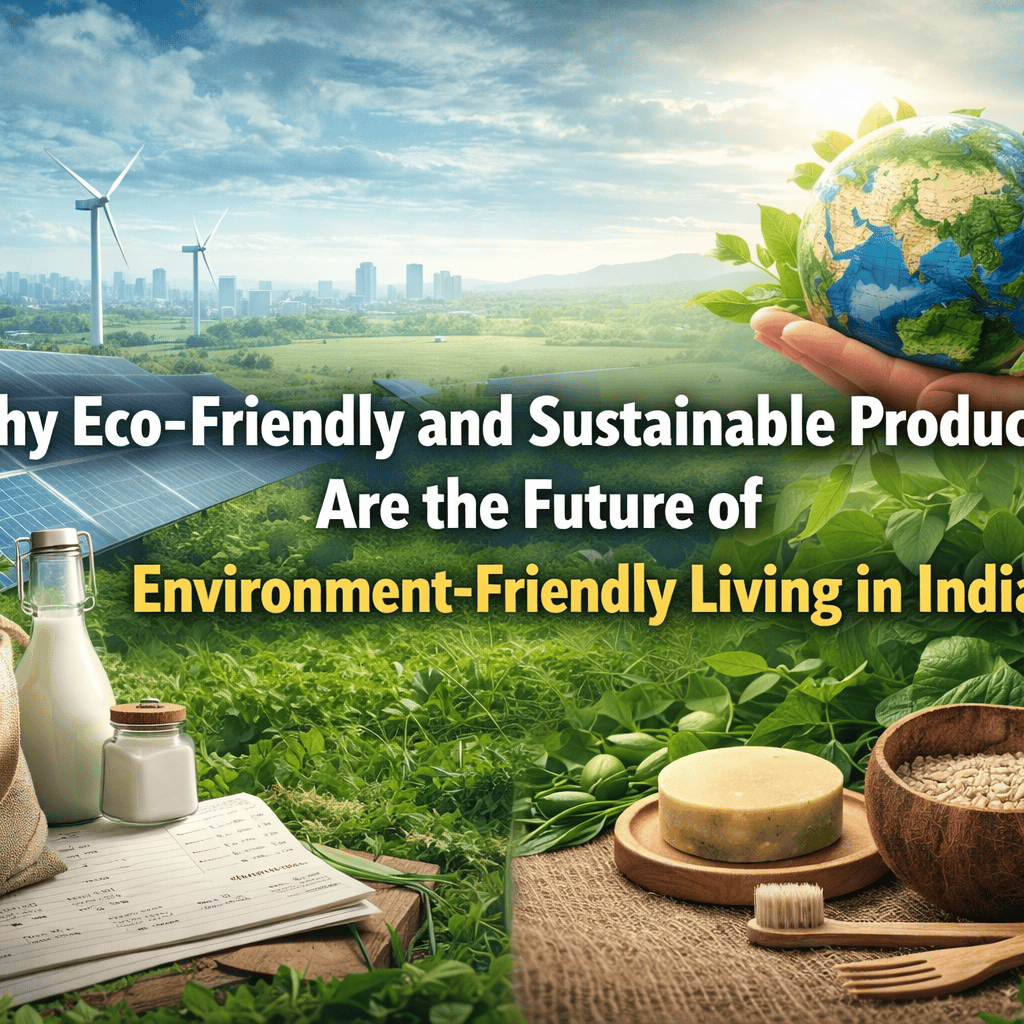
Why Eco-Friendly and Sustainable Products Are the Future of Environment-Friendly Living in India

India is standing at a critical environmental crossroads. Rising plastic pollution, air quality challenges, water contamination, and increasing waste generation are pushing households to rethink daily choices. In this shift, eco-friendly and sustainable products are no longer optional trends they are becoming the foundation of environment-friendly living in India. At Naturest India, sustainability isn’t marketed as a lifestyle upgrade. It’s positioned as a responsibility woven into everyday routines. Let’s explore why sustainable products are shaping the future of conscious living in India. 🌍 India’s Environmental Reality 4 India generates millions of tonnes of plastic and solid waste every year. Urban growth, convenience-driven consumption, and excessive packaging have accelerated environmental strain. Major concerns include: These challenges demand systemic change — and that begins with consumer behavior. 🌱 What Do Eco-Friendly and Sustainable Products Really Mean? Many people use the terms interchangeably, but they serve different roles. Eco-Friendly Products Products that minimize environmental harm during use or disposal. Sustainable Products Products designed with the entire lifecycle in mind from sourcing and production to disposal and regeneration. When combined, they support long-term environment-friendly living, not just short-term green alternatives. ♻️ Why Sustainable Products Are the Future in India 1️⃣ Rising Environmental Awareness Indian consumers are becoming more informed about plastic pollution, chemical exposure, and climate change. 2️⃣ Government & Policy Push Plastic bans and waste management policies are encouraging alternatives. 3️⃣ Health-Conscious Consumers People increasingly prefer chemical-free and natural daily-use products. 4️⃣ Demand for Plastic-Free Living From bamboo toothbrushes to natural soaps, plastic-free swaps are gaining momentum. The shift is gradual but clearly forward-moving. 🛁 Everyday Products Driving This Change Sustainable change often begins in the bathroom and kitchen. High-impact swaps include: These aren’t radical lifestyle changes they’re simple habit upgrades. Naturest India focuses on products that fit into real Indian routines, making sustainability accessible and practical. 🌿 How Eco-Friendly Products Support a Sustainable Lifestyle Sustainable products encourage: When households adopt reusable and chemical-free alternatives, the cumulative environmental benefit becomes significant. Sustainable living is not about doing everything it’s about doing better consistently. 🚫 Moving Beyond Greenwashing As demand grows, so does greenwashing. Not every “eco” label reflects true sustainability. Before buying, consider: Naturest India emphasizes honest sustainability reducing harm without exaggeration. 🌍 The Long-Term Impact of Conscious Choices Eco-friendly and sustainable products: When millions of households adopt small sustainable swaps, the impact scales dramatically. The future of environment-friendly living in India depends not on perfection but participation. 🌱 Final Thoughts: The Future Is Practical Sustainability The future of sustainable living in India won’t be driven by extreme minimalism or complex systems. It will be shaped by: Eco-friendly and sustainable products are not just trends — they are tools enabling everyday people to protect the environment. At Naturest India, sustainability begins with the belief that simple, consistent choices create lasting impact. The future is environment-friendly and it starts at home.

Bamboo Products
Naturest India

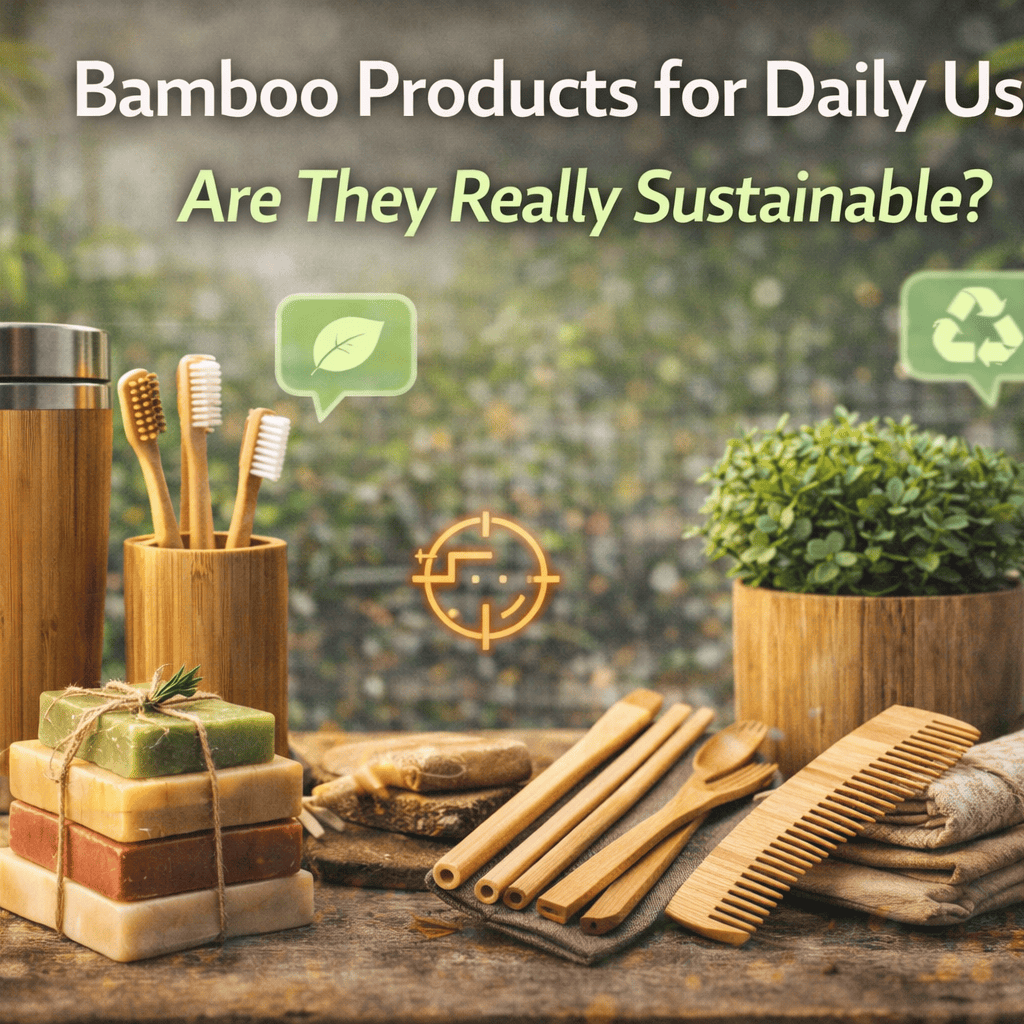
Bamboo Products for Daily Use: Are They Really Sustainable?

Bamboo products are everywhere toothbrushes, straws, cutlery, home essentials. They’re often marketed as the perfect eco-friendly alternative to plastic. But an important question remains: are bamboo products truly sustainable, or just another green trend? At Naturest India, sustainability is about facts, not hype. This guide breaks down what makes bamboo sustainable, where it genuinely helps the environment, and what you should look for before switching to bamboo products in daily life. 🌿 Why Bamboo Is Considered a Sustainable Material Bamboo is often called a miracle plant and for good reason. Bamboo’s natural advantages: Compared to plastic or hardwood, bamboo has a much lower environmental footprint at the raw material stage. 🧼 Common Bamboo Products for Daily Use Bamboo is now widely used in everyday lifestyle products such as: These products are designed to replace single-use or plastic-heavy alternatives, making them ideal for low-waste living. ♻️ Are Bamboo Products Really Better Than Plastic? ✅ Where bamboo wins: ⚠️ Where you should be careful: Sustainability depends on how the product is made — not just the material. 🌍 The Environmental Impact of Bamboo Products When produced responsibly, bamboo products: For items like toothbrushes and straws, which are often single-use in plastic form, bamboo offers a clear environmental advantage. 🛁 Bamboo Products & Low-Waste Living Bamboo products are often a gateway to sustainable living. They help people: Naturest India uses bamboo thoughtfully focusing on durability, usability, and real waste reduction, not just aesthetics. 🧠 What Makes a Bamboo Product Truly Sustainable? Before buying, ask these questions: A bamboo product is only as sustainable as its lifecycle and intent. 🚫 Common Myths About Bamboo Products ❌ “All bamboo products are eco-friendly”→ Not true. Manufacturing and additives matter. ❌ “Bamboo products don’t last”→ Well-made bamboo products are surprisingly durable. ❌ “Switching to bamboo alone is enough”→ Bamboo helps, but conscious consumption matters more. 🌱 So, Are Bamboo Products Worth Using? Yes when chosen wisely. Bamboo products are genuinely sustainable when they replace plastic, last long, and are made responsibly. They are not a magic solution, but they are a strong step toward reducing everyday plastic waste. At Naturest India, bamboo is used as a tool for change, not a trend — helping people make small, practical swaps that add up to real impact. 🌍 Final Thoughts: Sustainability Is in the Details Bamboo products aren’t sustainable just because they look natural — they’re sustainable when they: When paired with mindful habits, bamboo products become a powerful ally in everyday sustainability. Choose better. Use longer. Waste less. 🌱

Natural Soaps
Naturest India

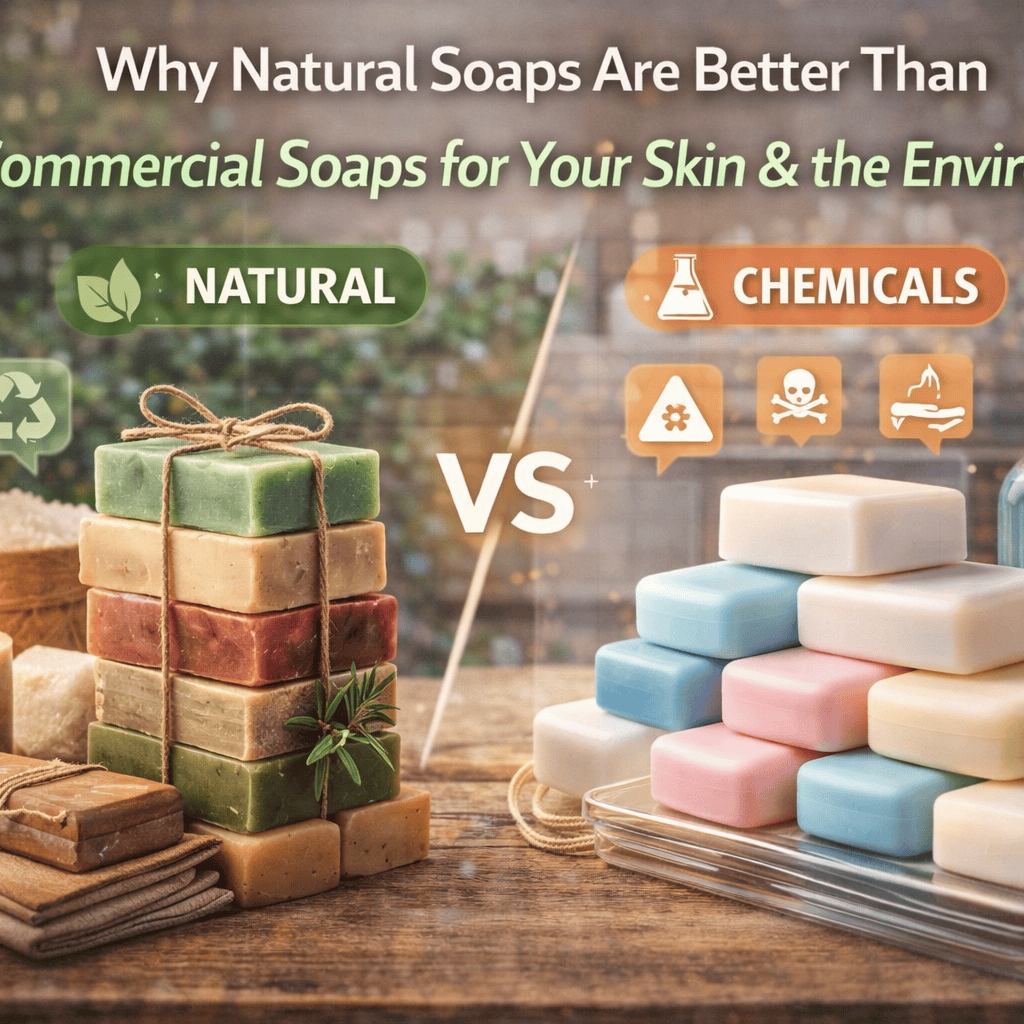
Why Natural Soaps Are Better Than Commercial Soaps for Your Skin & the Environment

At Naturest India, the philosophy is simple: what’s gentle on your skin should be gentle on the planet too. This guide explains why Natural Soaps are a smarter choice than commercial soaps for your body and the environment. Soap is one of the most-used products in our daily routine yet it’s also one of the most overlooked. What you apply to your skin every day doesn’t just affect your health, it also impacts water systems, soil, and ecosystems. 🚿 What’s Really Inside Commercial Soaps? Most commercial soaps are made for: To achieve this, they often contain: These ingredients may clean effectively, but they often strip the skin’s natural oils, leading to dryness, irritation, and sensitivity over time. 🌱 What Makes Natural Soaps Different? Natural soaps are crafted using plant-based oils, botanical extracts, and minimal processing. Key characteristics: Instead of aggressively stripping the skin, natural soaps clean while nourishing. 💆 Why Natural Soaps Are Better for Your Skin Bestsellers 1. Gentler on Skin Barrier Natural soaps help maintain the skin’s natural moisture barrier, reducing dryness and irritation. 2. Suitable for Sensitive Skin Without artificial fragrances and harsh chemicals, natural soaps are ideal for sensitive or reactive skin types. 3. Nourishing Ingredients Plant oils and botanical extracts support skin health instead of masking problems. 4. No Residue Build-Up Commercial soaps often leave residue that clogs pores; natural soaps rinse clean. 🌍 The Environmental Cost of Commercial Soaps Commercial soaps don’t just affect skin — they impact the planet. Environmental concerns include: When washed down drains, synthetic chemicals enter rivers and soil, harming aquatic life and ecosystems. ♻️ How Natural Soaps Are Better for the Environment Natural soaps are designed with low environmental impact in mind. They: By switching to natural soap bars, households significantly reduce bathroom plastic waste. 🛁 Natural Soaps & Sustainable Living Go Hand in Hand Choosing natural soap is often the first step toward a low-waste bathroom. It encourages: Naturest India’s natural bathing bars are crafted to align with skin health, environmental responsibility, and mindful living — without unnecessary additives or excess packaging. 🧠 Common Myths About Natural Soaps “Natural soaps don’t clean well.”→ They cleanse effectively without damaging skin. “They don’t last long.”→ When stored properly, natural bars last just as long as commercial soaps. “They’re a luxury.”→ Skin health and environmental safety aren’t luxuries — they’re essentials. 🌿 How to Choose the Right Natural Soap Before buying, ask: Transparency matters more than labels. 🌍 Final Thoughts: A Small Switch with Big Impact Switching from commercial soap to natural soap may seem minor — but it creates daily, repeated impact. You: At Naturest India, sustainability begins with simple, everyday choices — because real change starts in the smallest routines. Clean skin. Cleaner planet. Thoughtful living.

Eco-Friendly
Naturest India

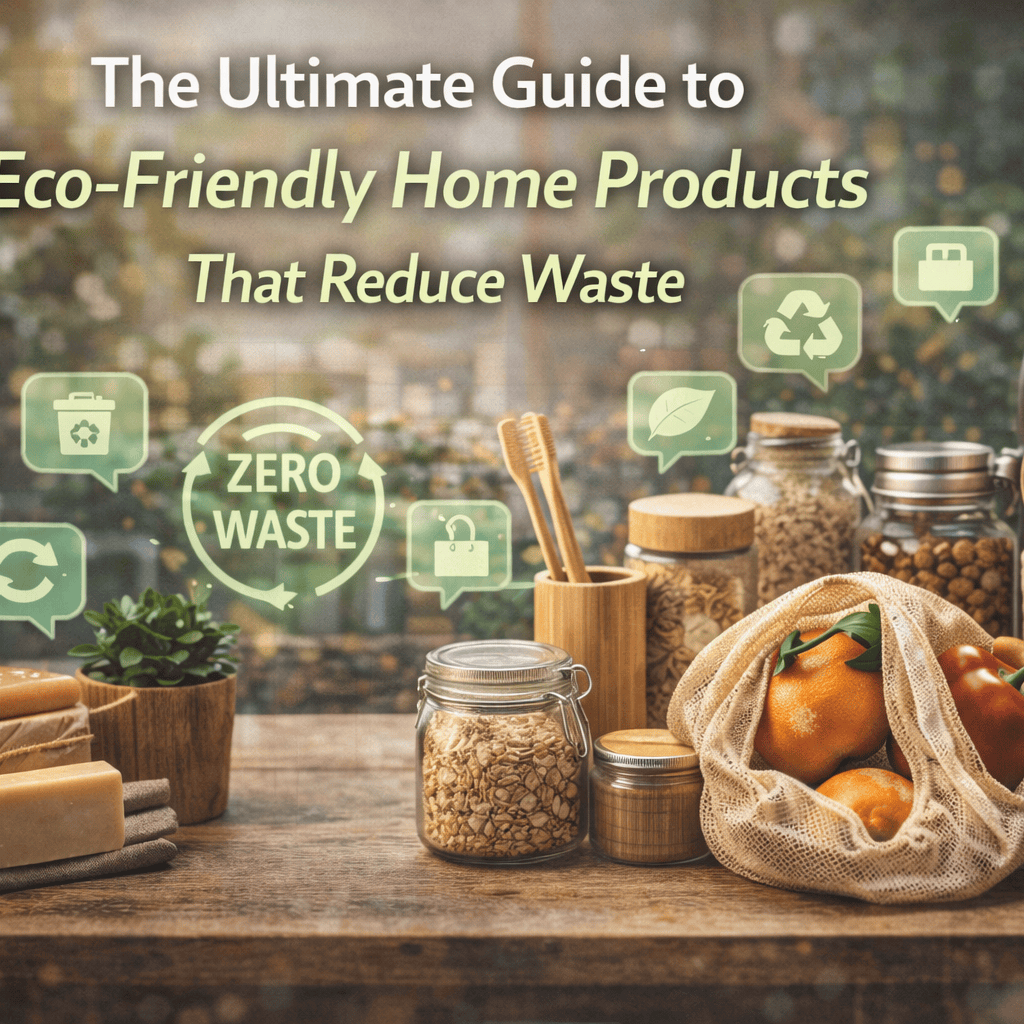
The Ultimate Guide to Eco-Friendly Home Products That Reduce Waste

Creating a sustainable home doesn’t require extreme lifestyle changes. It starts with choosing better home products ones that reduce waste, last longer, and support a healthier planet. At Naturest India, sustainability is rooted in practical, everyday living. This guide helps you understand which eco-friendly home products actually reduce waste, how they work, and how to adopt them easily in Indian households. 🌍 Why Eco-Friendly Home Products Matter Most household waste comes from: Eco-friendly home products are designed to: When adopted consistently, they transform how homes interact with the environment. 🏡 What Makes a Home Product Truly Eco-Friendly? Before buying, look for products that are: ✔ Reusable or refillable✔ Made from natural or responsibly sourced materials✔ Low-waste or plastic-free in packaging✔ Designed for long-term use✔ Safe for people and the planet Eco-friendly isn’t about labels — it’s about lifecycle impact. 🛁 1. Low-Waste Personal Care & Bathroom Essentials Bathrooms generate some of the highest plastic waste in homes. Better eco choices include: Naturest India focuses on skin-safe, planet-safe personal care—helping reduce plastic waste without compromising daily comfort. 🍽️ 2. Sustainable Kitchen & Daily-Use Home Products The kitchen is the easiest place to reduce waste. Eco-friendly kitchen habits: These small changes can reduce nearly half of household waste. ♻️ 3. Reusable & Long-Life Home Essentials Eco-friendly homes rely on durability over disposability. Look for products that: Long-life products reduce waste at the source the most effective form of sustainability. 🎁 4. Eco-Friendly Gifting & Home Décor Choices Celebrations often create unnecessary waste. Sustainable gifting means: Eco-friendly gifts reduce waste while inspiring conscious habits in others. 🌱 How Eco-Friendly Home Products Reduce Waste Long-Term Eco-friendly products reduce waste by: Naturest India’s approach is honest sustainability designing products that fit real life while reducing environmental impact. 🚫 Common Myths About Eco-Friendly Home Products ❌ “They’re inconvenient” → Habits become effortless with use❌ “They don’t work as well” → Quality often improves performance❌ “One switch doesn’t matter” → Collective impact starts at home Progress beats perfection every time. 🌍 How to Start Your Eco-Friendly Home Journey You don’t need to change everything at once. Start by: One conscious product today leads to lasting impact tomorrow. 🌿 Final Thoughts: Build a Home That Gives Back An eco-friendly home isn’t about sacrificing comfort it’s about choosing better solutions. When you choose home products designed to reduce waste, you: At Naturest India, sustainability begins with everyday decisions because a better planet starts at home.

Plastic Pollution
Naturest India

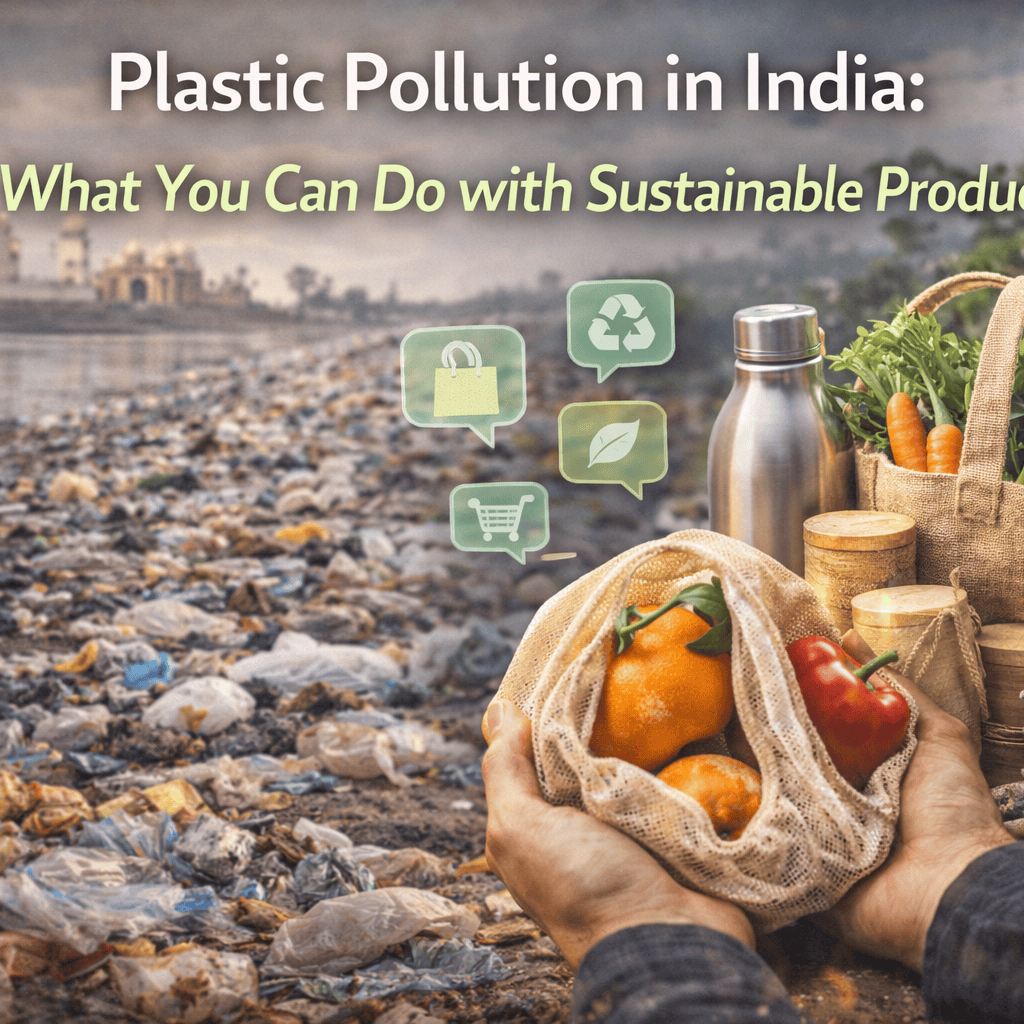
Plastic Pollution in India: What You Can Do with Sustainable Products

Plastic pollution in India has moved from being an environmental concern to a daily, visible crisis. From plastic-clogged drains during monsoons to polluted rivers and overflowing landfills, the impact is impossible to ignore. At Naturest India, sustainability is about realistic action, not perfection. This blog explains why plastic pollution is such a serious issue in India and, more importantly, what you can do using sustainable products in your everyday life. 🚨 The Scale of Plastic Pollution in India India generates millions of tonnes of plastic waste every year, and a large portion of it is: Much of this waste ends up in rivers, oceans, open landfills, or gets burned, releasing toxic fumes into the air. 🧠 Why Plastic Pollution Is a Serious Threat Plastic pollution isn’t just about litter — it directly affects health, climate, and ecosystems. Key impacts include: Plastic stays in the environment for hundreds of years, long after its short-term use. 🌱 Why Sustainable Products Are Part of the Solution Plastic pollution starts at the point of consumption. Sustainable products help reduce plastic waste by design. They: Switching to sustainable products is one of the most effective ways individuals can reduce plastic pollution. 🛁 1. Reduce Plastic Through Conscious Personal Care Choices Bathrooms are major sources of plastic waste — bottles, tubes, wrappers. What you can do: Naturest India focuses on skin-safe, planet-safe products that support low-waste routines without compromising daily comfort. 🍽️ 2. Cut Plastic Waste in Your Daily Lifestyle You don’t need a zero-waste home overnight. Start with simple swaps. Effective changes include: These small steps significantly reduce household plastic waste over time. 🎁 3. Choose Sustainable Products for Gifting Festivals and celebrations generate large amounts of plastic waste. Conscious gifting means: Sustainable gifts spread awareness while reducing waste. ♻️ How to Avoid Greenwashing When Buying “Eco-Friendly” Products Not every product labeled “green” is truly sustainable. Before buying, ask: Naturest India believes in honest sustainability — clear communication, practical impact, and responsible choices. 🌍 What You Can Do Starting Today You don’t need drastic lifestyle changes to fight plastic pollution. Start by: Individual actions may feel small — but together, they create systemic change. 🌿 Final Thoughts: Small Choices, Big Impact Plastic pollution in India is a massive challenge, but it’s also one we can actively reduce. By choosing sustainable products, minimizing plastic use, and supporting conscious brands, you become part of the solution — not the problem. At Naturest India, sustainability starts with everyday decisions — because protecting the planet begins at home. Let’s choose better, live mindfully, and reduce plastic — one product at a time. 💚

Green Product
Naturest India

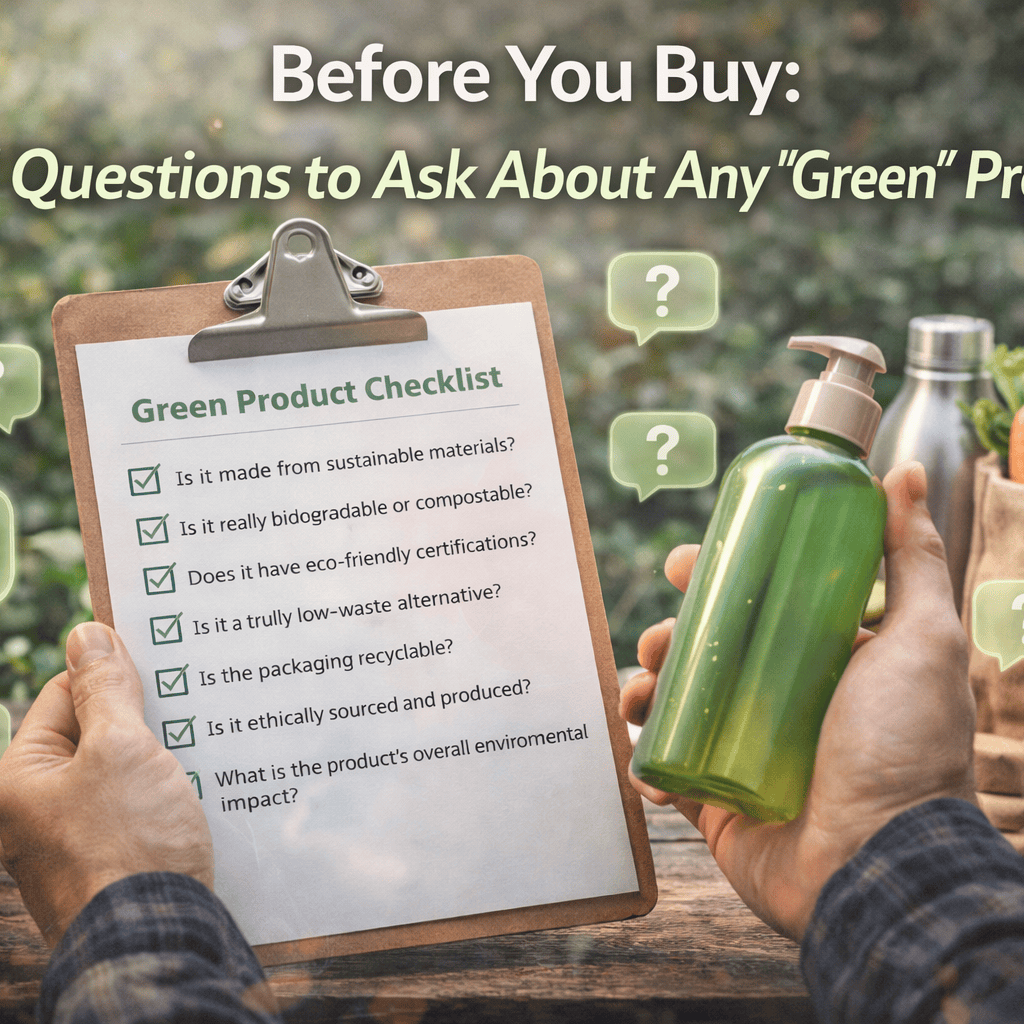
Before You Buy: 7 Questions to Ask About Any “Green” Product

“Eco-friendly.” “Natural.” “Sustainable.”Green Product.These labels are everywhere but not all green claims are created equal. With greenwashing on the rise, conscious consumers need to look beyond the buzzwords. At Naturest India, sustainability is about clarity, honesty, and real impact. This guide will help you make smarter choices by asking the right questions before you buy any “green” product. 🧠 Why Asking the Right Questions Matters Many products appear sustainable but: Asking a few key questions protects you from greenwashing and ensures your money supports real sustainability. ✅ Question 1: What Is the Product Actually Made Of? Start with the basics: ingredients and materials. Ask: Truly green products don’t hide behind vague ingredient lists. 📦 Question 2: Is the Packaging Sustainable — or Just the Product? A product isn’t truly eco-friendly if it’s wrapped in layers of plastic. Check if: Responsible brands treat packaging as part of the product’s impact — not an afterthought. 🔄 Question 3: Is It Designed to Be Reused or Long-Lasting? Sustainability favors longevity over disposability. Ask: Products that last naturally lower waste and emissions. ♻️ Question 4: What Happens After I’m Done Using It? A green product should have a responsible end-of-life. Find out: True sustainability considers the entire lifecycle, not just usage. 🌍 Question 5: Does the Brand Practice What It Preaches? Sustainability is reflected in brand behavior, not just marketing. Look for: Naturest India focuses on honest sustainability — doing better without overpromising. 🌱 Question 6: Does This Product Reduce My Overall Environmental Impact? Ask yourself: A truly green product should solve a problem, not create a new one. 🧠 Question 7: Am I Buying This Out of Need — or Marketing? Even eco-friendly products have a footprint. Pause and ask: Conscious consumption is the foundation of sustainability. 🌿 How Naturest India Approaches “Green” Differently Naturest India believes sustainability should be: By focusing on thoughtful formulations, responsible packaging, and mindful design, Naturest products support conscious living without unnecessary complexity. 🌍 Final Thoughts: Buy Less, Choose Better The greenest product isn’t always the newest one — it’s the one that fits your life responsibly. By asking these 7 questions before you buy, you: Because real change doesn’t come from buying more “green” products it comes from making better choices.

Shopping Cart
Scroll to Top