Author name: Naturest India

Plastic Pollution
Naturest India

Plastic Pollution in India: What You Can Do with Sustainable Products

Plastic pollution in India has moved from being an environmental concern to a daily, visible crisis. From plastic-clogged drains during monsoons to polluted rivers and overflowing landfills, the impact is impossible to ignore. At Naturest India, sustainability is about realistic action, not perfection. This blog explains why plastic pollution is such a serious issue in India and, more importantly, what you can do using sustainable products in your everyday life. 🚨 The Scale of Plastic Pollution in India India generates millions of tonnes of plastic waste every year, and a large portion of it is: Much of this waste ends up in rivers, oceans, open landfills, or gets burned, releasing toxic fumes into the air. 🧠 Why Plastic Pollution Is a Serious Threat Plastic pollution isn’t just about litter — it directly affects health, climate, and ecosystems. Key impacts include: Plastic stays in the environment for hundreds of years, long after its short-term use. 🌱 Why Sustainable Products Are Part of the Solution Plastic pollution starts at the point of consumption. Sustainable products help reduce plastic waste by design. They: Switching to sustainable products is one of the most effective ways individuals can reduce plastic pollution. 🛁 1. Reduce Plastic Through Conscious Personal Care Choices Bathrooms are major sources of plastic waste — bottles, tubes, wrappers. What you can do: Naturest India focuses on skin-safe, planet-safe products that support low-waste routines without compromising daily comfort. 🍽️ 2. Cut Plastic Waste in Your Daily Lifestyle You don’t need a zero-waste home overnight. Start with simple swaps. Effective changes include: These small steps significantly reduce household plastic waste over time. 🎁 3. Choose Sustainable Products for Gifting Festivals and celebrations generate large amounts of plastic waste. Conscious gifting means: Sustainable gifts spread awareness while reducing waste. ♻️ How to Avoid Greenwashing When Buying “Eco-Friendly” Products Not every product labeled “green” is truly sustainable. Before buying, ask: Naturest India believes in honest sustainability — clear communication, practical impact, and responsible choices. 🌍 What You Can Do Starting Today You don’t need drastic lifestyle changes to fight plastic pollution. Start by: Individual actions may feel small — but together, they create systemic change. 🌿 Final Thoughts: Small Choices, Big Impact Plastic pollution in India is a massive challenge, but it’s also one we can actively reduce. By choosing sustainable products, minimizing plastic use, and supporting conscious brands, you become part of the solution — not the problem. At Naturest India, sustainability starts with everyday decisions — because protecting the planet begins at home. Let’s choose better, live mindfully, and reduce plastic — one product at a time. 💚
Green Product
Naturest India

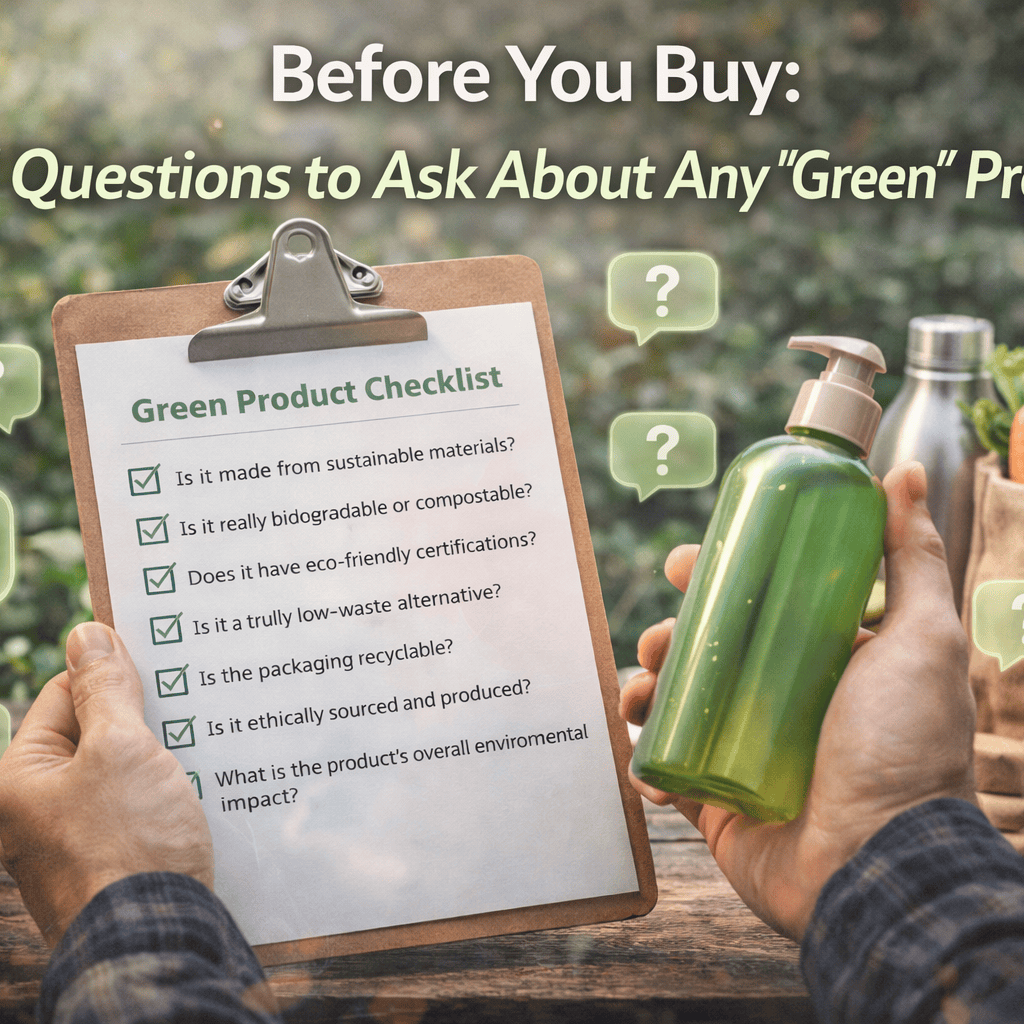
Before You Buy: 7 Questions to Ask About Any “Green” Product

“Eco-friendly.” “Natural.” “Sustainable.”Green Product.These labels are everywhere but not all green claims are created equal. With greenwashing on the rise, conscious consumers need to look beyond the buzzwords. At Naturest India, sustainability is about clarity, honesty, and real impact. This guide will help you make smarter choices by asking the right questions before you buy any “green” product. 🧠 Why Asking the Right Questions Matters Many products appear sustainable but: Asking a few key questions protects you from greenwashing and ensures your money supports real sustainability. ✅ Question 1: What Is the Product Actually Made Of? Start with the basics: ingredients and materials. Ask: Truly green products don’t hide behind vague ingredient lists. 📦 Question 2: Is the Packaging Sustainable — or Just the Product? A product isn’t truly eco-friendly if it’s wrapped in layers of plastic. Check if: Responsible brands treat packaging as part of the product’s impact — not an afterthought. 🔄 Question 3: Is It Designed to Be Reused or Long-Lasting? Sustainability favors longevity over disposability. Ask: Products that last naturally lower waste and emissions. ♻️ Question 4: What Happens After I’m Done Using It? A green product should have a responsible end-of-life. Find out: True sustainability considers the entire lifecycle, not just usage. 🌍 Question 5: Does the Brand Practice What It Preaches? Sustainability is reflected in brand behavior, not just marketing. Look for: Naturest India focuses on honest sustainability — doing better without overpromising. 🌱 Question 6: Does This Product Reduce My Overall Environmental Impact? Ask yourself: A truly green product should solve a problem, not create a new one. 🧠 Question 7: Am I Buying This Out of Need — or Marketing? Even eco-friendly products have a footprint. Pause and ask: Conscious consumption is the foundation of sustainability. 🌿 How Naturest India Approaches “Green” Differently Naturest India believes sustainability should be: By focusing on thoughtful formulations, responsible packaging, and mindful design, Naturest products support conscious living without unnecessary complexity. 🌍 Final Thoughts: Buy Less, Choose Better The greenest product isn’t always the newest one — it’s the one that fits your life responsibly. By asking these 7 questions before you buy, you: Because real change doesn’t come from buying more “green” products it comes from making better choices.

Naturest India

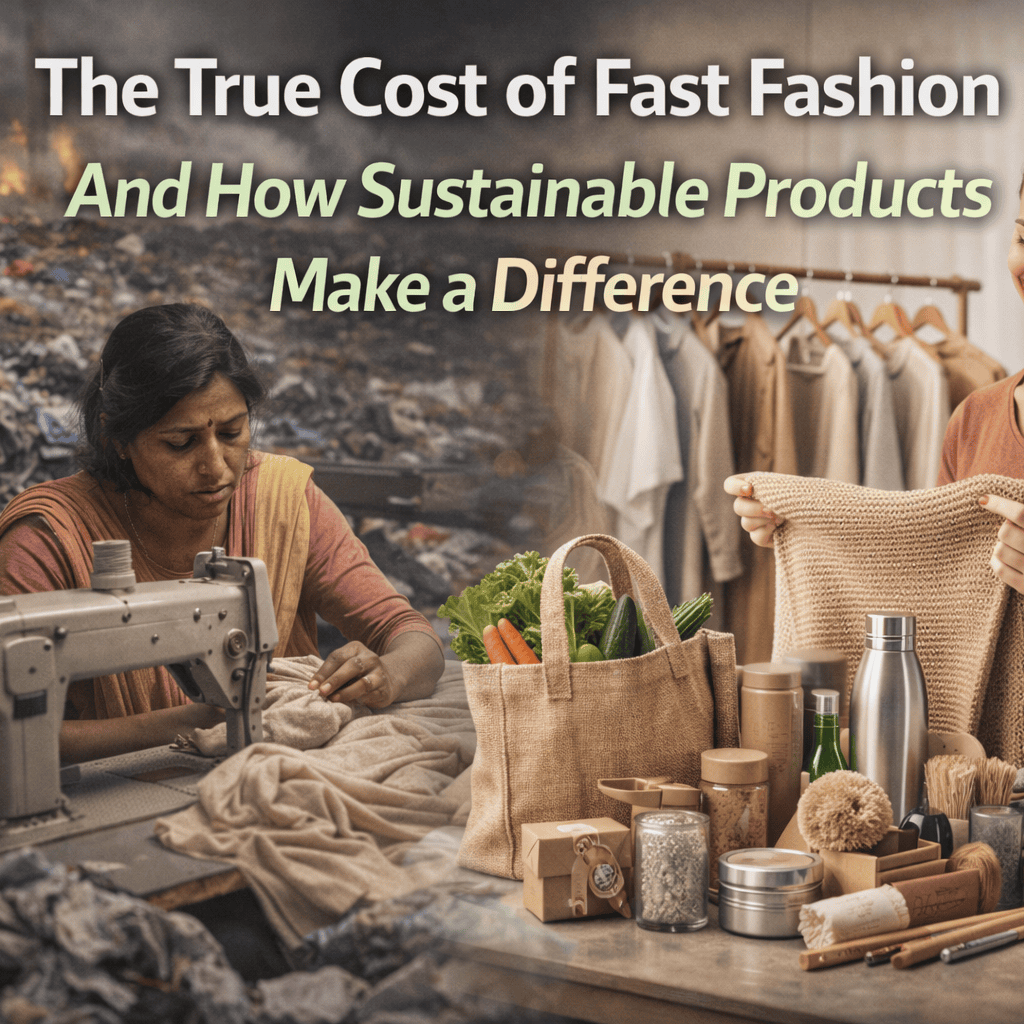
The True Cost of Fast Fashion And How Sustainable Products Make a Difference

Fast fashion has made clothing cheaper, trendier, and more accessible than ever. But behind those low prices lies a hidden cost one paid by the planet, garment workers, and ultimately, by us. Sustainable Products Make a Difference At Naturest India, sustainability goes beyond products. It’s about understanding the impact of our everyday choices and choosing better alternatives not just in fashion, but in lifestyle as a whole. Let’s uncover the real cost of fast fashion and how sustainable products help create meaningful change. 🚨 What Is Fast Fashion? Fast fashion refers to the mass production of inexpensive clothing designed to mimic trends and be worn only a few times before being discarded. It thrives on: What looks affordable at checkout becomes extremely expensive for the environment. 🌍 The Environmental Cost of Fast Fashion 1️⃣ Massive Water Pollution Textile dyeing is one of the largest polluters of freshwater. Untreated chemicals often flow directly into rivers, affecting ecosystems and communities. 2️⃣ Microplastic Contamination Synthetic fabrics like polyester shed microplastics every time they’re washed — entering oceans, food chains, and even drinking water. 3️⃣ Overwhelming Textile Waste Millions of garments are discarded every year. Most end up in landfills or are burned, releasing toxic gases. 👥 The Human Cost We Don’t See Fast fashion’s low prices often come at the expense of: Sustainability is not only about the environment — it’s also about ethical responsibility. 🧠 Why Fast Fashion Encourages Overconsumption Fast fashion normalizes the idea that: This mindset spills into other areas of life — packaging, personal care, home products — creating a throwaway culture. 🌱 How Sustainable Products Make a Real Difference Sustainable products challenge the fast-fashion mindset by focusing on quality, longevity, and responsibility. They help by: This philosophy applies not only to clothing, but to daily-use lifestyle and personal care products as well. 🏡 Extending Sustainability Beyond Fashion A conscious lifestyle means questioning every purchase: Naturest India promotes sustainability through thoughtfully designed, low-impact products that support long-term use and reduced waste — without compromising comfort or quality. ♻️ Choosing Better: What You Can Do Today You don’t need to overhaul your life overnight. Start with simple steps: Each mindful choice weakens the fast-fashion cycle. 🌍 Sustainable Living Is the Real Trend Trends fade. Responsibility doesn’t. Choosing sustainable products helps: The future isn’t about owning more — it’s about owning better. 🌿 Final Thoughts Fast fashion may be cheap, but its true cost is paid by the planet and future generations. By embracing sustainable products and conscious living, we move away from disposable culture toward intentional choices that matter. At Naturest India, sustainability is about creating products — and habits — that respect life in all forms. Because real style isn’t fast.It’s thoughtful. It’s responsible. It’s sustainable. 💚

Environment

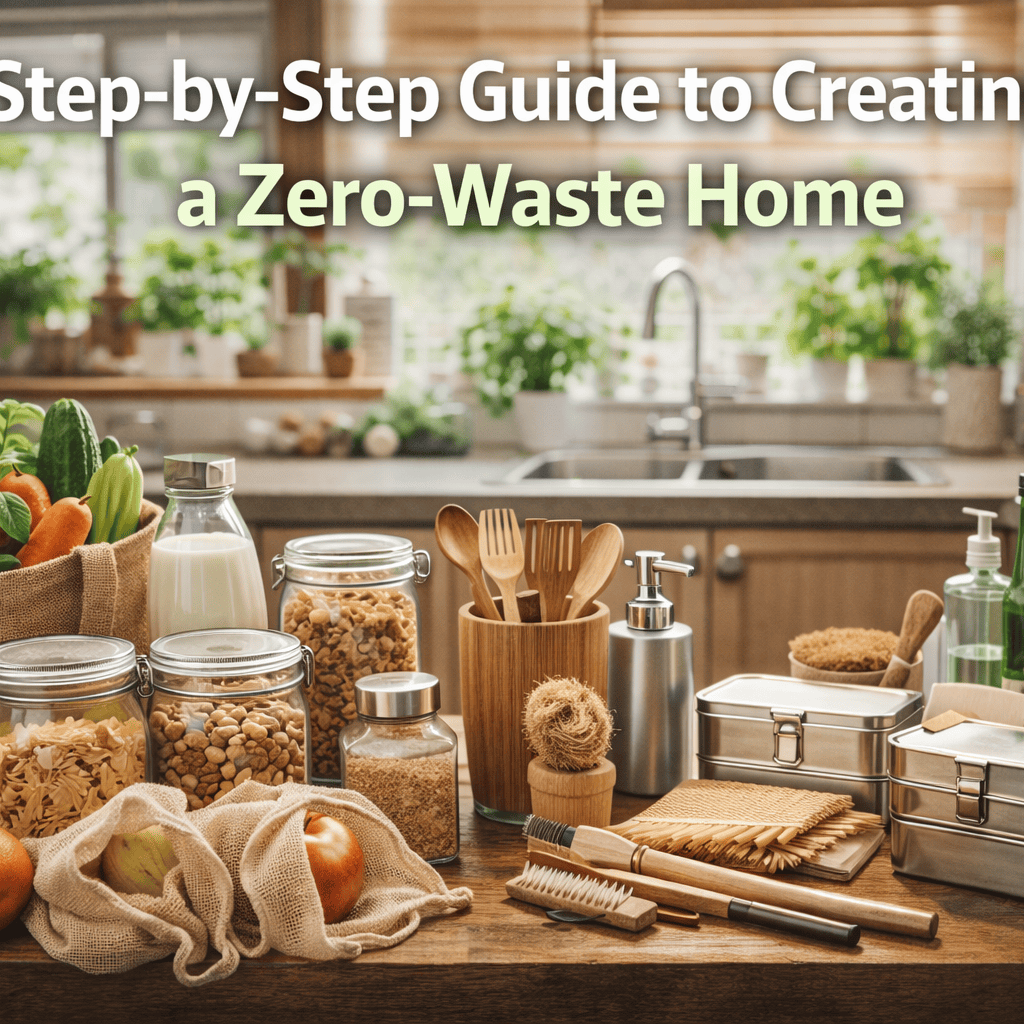
Step-by-Step Guide to Creating a Zero-Waste Home

Creating a zero-waste home isn’t about being perfect or throwing everything away overnight. It’s about making mindful choices that reduce waste, cut plastic use, and support a healthier planet — one habit at a time. At Naturest India, zero-waste living is practical, realistic, and rooted in everyday routines. This guide walks you through simple, step-by-step actions to build a low-waste home that actually works in Indian households. 🌱 What Does “Zero-Waste Home” Really Mean? A zero-waste home aims to send as little waste as possible to landfills by following five core principles: It’s not about zero trash — it’s about conscious consumption. 🧹 Step 1: Audit Your Household Waste Before changing habits, understand where waste comes from. Do this first: Most homes discover that kitchen and personal care products create the most waste. 🛁 Step 2: Switch to Low-Waste Personal Care Products Bathrooms are often packed with single-use plastic — bottles, tubes, wrappers. What to change: Naturest India focuses on skin-safe, planet-safe alternatives that help reduce plastic without compromising daily comfort. 🍽️ Step 3: Create a Low-Waste Kitchen The kitchen is the easiest place to start your zero-waste journey. Simple changes that matter: Reducing kitchen waste alone can cut nearly 40–50% of household trash. 🏡 Step 4: Choose Sustainable Home & Lifestyle Products Zero-waste living is about buying better, not buying more. Look for products that are: Thoughtfully chosen lifestyle products help replace disposables without disrupting your routine. ♻️ Step 5: Learn Proper Waste Segregation Segregation is the backbone of zero-waste living. At home, separate waste into: When waste is sorted correctly, recycling and composting actually work. 🎁 Step 6: Practice Conscious & Zero-Waste Gifting Celebrations generate unnecessary waste — but they don’t have to. Zero-waste gifting means: Sustainable gift sets inspire others to start their own low-waste journey. 🌍 Step 7: Support Ethical & Sustainable Brands Zero-waste living extends beyond your home. Support brands that: Naturest India’s philosophy is built on honest sustainability — creating products that respect both people and the planet. 🌿 Common Zero-Waste Myths (Debunked) Progress matters more than perfection. 🌱 Final Thoughts: Zero-Waste Is a Journey, Not a Destination Creating a zero-waste home is about intentional living, not instant change. When you: You create a home that’s healthier, cleaner, and kinder to the planet. Start with one change. Then another.Because meaningful impact begins at home.

Naturest India

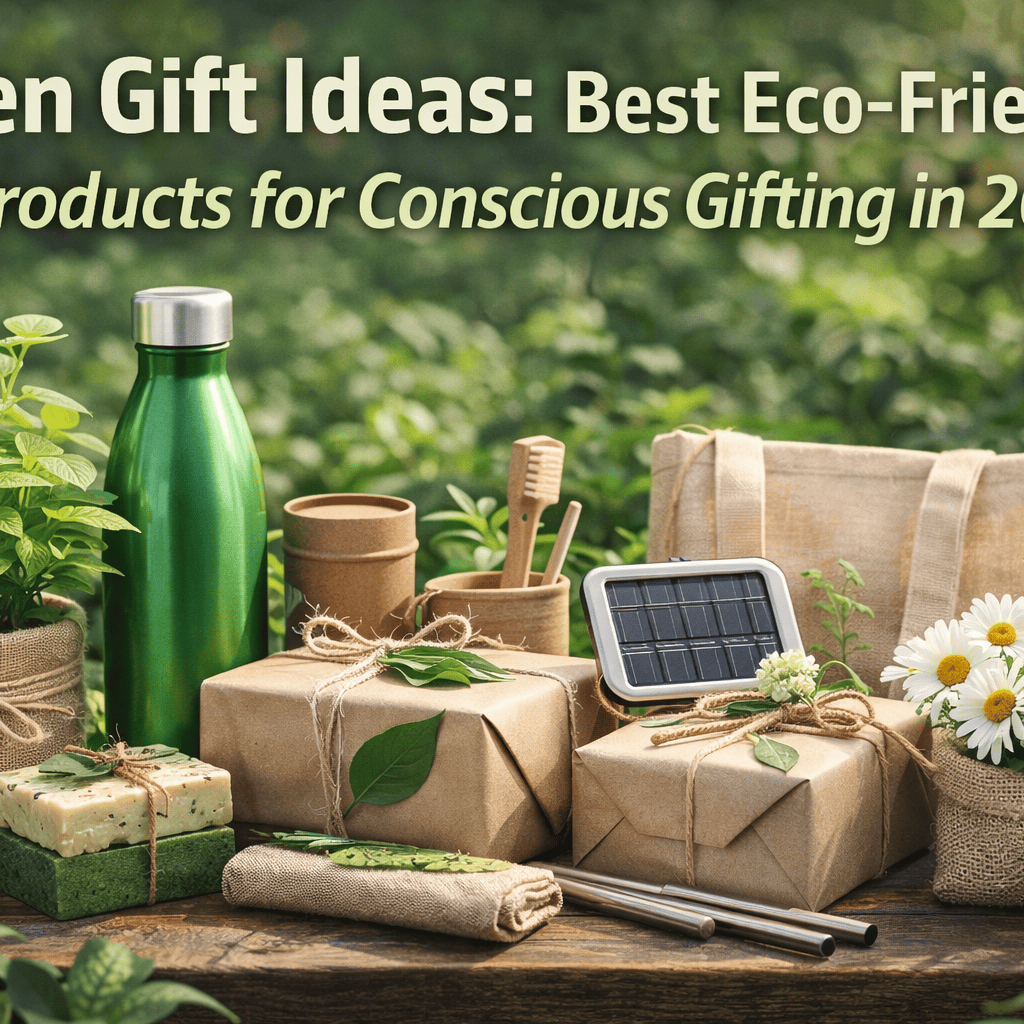
Green Gift Ideas: Best Eco-Friendly Products for Conscious Gifting in 2026

In 2026, gifting is no longer just about what looks good — it’s about what feels right. As awareness around climate change, plastic pollution, and conscious living grows, eco-friendly gifting has become a powerful way to show care not only for people, but for the planet too. If you’re looking to give gifts that are thoughtful, sustainable, and genuinely useful, this guide is for you. Why Eco-Friendly Gifting Matters in 2026 Traditional gifts often come with: Conscious gifting flips the script by choosing products that are:✔ Reusable✔ Biodegradable or recyclable✔ Ethically sourced✔ Low-waste Every eco-friendly gift sends a message: “I care about you — and our future.” 1. Sustainable Personal Care Essentials Personal care items make excellent eco gifts because they’re practical and used daily. Great options include: These products help reduce toxic exposure while cutting down plastic waste — a win for both skin and sustainability. 2. Eco-Friendly Home & Lifestyle Gifts For home lovers and minimalists, sustainable lifestyle products are always appreciated. Popular green home gift ideas: These gifts encourage mindful living and help recipients take small steps toward a low-waste lifestyle. Zero-Waste Starter Kits (Perfect for Beginners) Zero-waste kits are trending in 2026 because they make sustainability simple and approachable. A thoughtful kit can include: They’re ideal for friends who want to live sustainably but don’t know where to start. Nature-Inspired Wellness Gifts Wellness gifting is evolving — people now value natural and planet-friendly self-care. Look for products that: These gifts promote balance, calm, and conscious living — making them deeply meaningful. Eco-Friendly Gift Sets from Conscious Brands Brands like Naturest India are redefining gifting by combining sustainability, aesthetics, and purpose. Why eco gift sets stand out: They’re perfect for festivals, birthdays, corporate gifting, or special occasions. ♻️ How to Choose the Right Green Gift Before buying, ask these 5 questions: If the answer is yes to most you’ve found a great conscious gift. 🌎 The Bigger Impact of Conscious Gifting Eco-friendly gifts do more than delight the receiver: One thoughtful gift can spark long-term change. 🌱 Final Thoughts Green gifting in 2026 is about intentional choices. It’s about gifting with awareness, responsibility, and heart. Whether it’s a natural self-care product, a zero-waste kit, or a consciously curated gift set, your choice matters. Because the most meaningful gifts don’t harm the planet they help heal it. 💚

Shopping Cart
Scroll to Top