Environment

Environment

Chemical-Free and Environment-Friendly Alternatives for a Sustainable Home

Creating a sustainable home isn’t only about reducing plastic — it’s also about reducing chemical exposure. Many everyday household and personal care products contain synthetic ingredients that affect both our health and the environment. A truly sustainable home focuses on chemical-free, environment-friendly alternatives that are safe, practical, and long-lasting. At Naturest India, sustainability means making daily routines cleaner — for your family and for the planet. Let’s explore how you can build a healthier, low-impact home step by step. 🌍 Why Chemical-Free Living Matters Many commercial products contain: These substances don’t just wash away — they enter water systems, soil, and air. Over time, they contribute to pollution and may disrupt skin health and indoor air quality. Switching to chemical-free alternatives helps: 🛁 1. Chemical-Free Bathroom Essentials Bathrooms are one of the largest sources of chemical and plastic waste. Sustainable swaps include: Natural formulations avoid harsh foaming agents and artificial fragrances while maintaining effective cleansing. Naturest India promotes gentle, skin-safe alternatives that align with environment-friendly living. 🍽️ 2. Environment-Friendly Kitchen Habits The kitchen can either generate waste — or reduce it. Try: Reducing chemical-heavy cleaning agents also prevents harmful runoff into drainage systems. ♻️ 3. Plastic-Free and Low-Waste Daily Essentials Sustainable homes prioritize: These swaps reduce landfill waste and lower overall carbon footprint. 🌱 4. Choosing Truly Environment-Friendly Products Not all “green” labels guarantee sustainability. Before buying, ask: Chemical-free living requires awareness — not just aesthetic packaging. 🏡 How a Sustainable Home Impacts Long-Term Health A home built around chemical-free, environment-friendly products: It creates a living space that supports both personal wellness and environmental responsibility. 🚫 Common Myths About Chemical-Free Living ❌ “Natural products don’t clean effectively.”→ Many plant-based alternatives are equally effective without harsh side effects. ❌ “Sustainable homes are expensive.”→ Durable, reusable products often reduce long-term spending. ❌ “One home doesn’t make a difference.”→ Collective change begins with individual households. 🌿 Building Your Sustainable Home Step by Step You don’t need to replace everything at once. Start with: Naturest India focuses on practical sustainability — helping Indian households transition gradually without complexity. 🌍 Final Thoughts: A Home That Cares Back A sustainable home isn’t about perfection. It’s about intention. By choosing chemical-free and environment-friendly alternatives, you: Sustainability isn’t a trend — it’s the future of responsible living in India. And it starts at home.

Environment

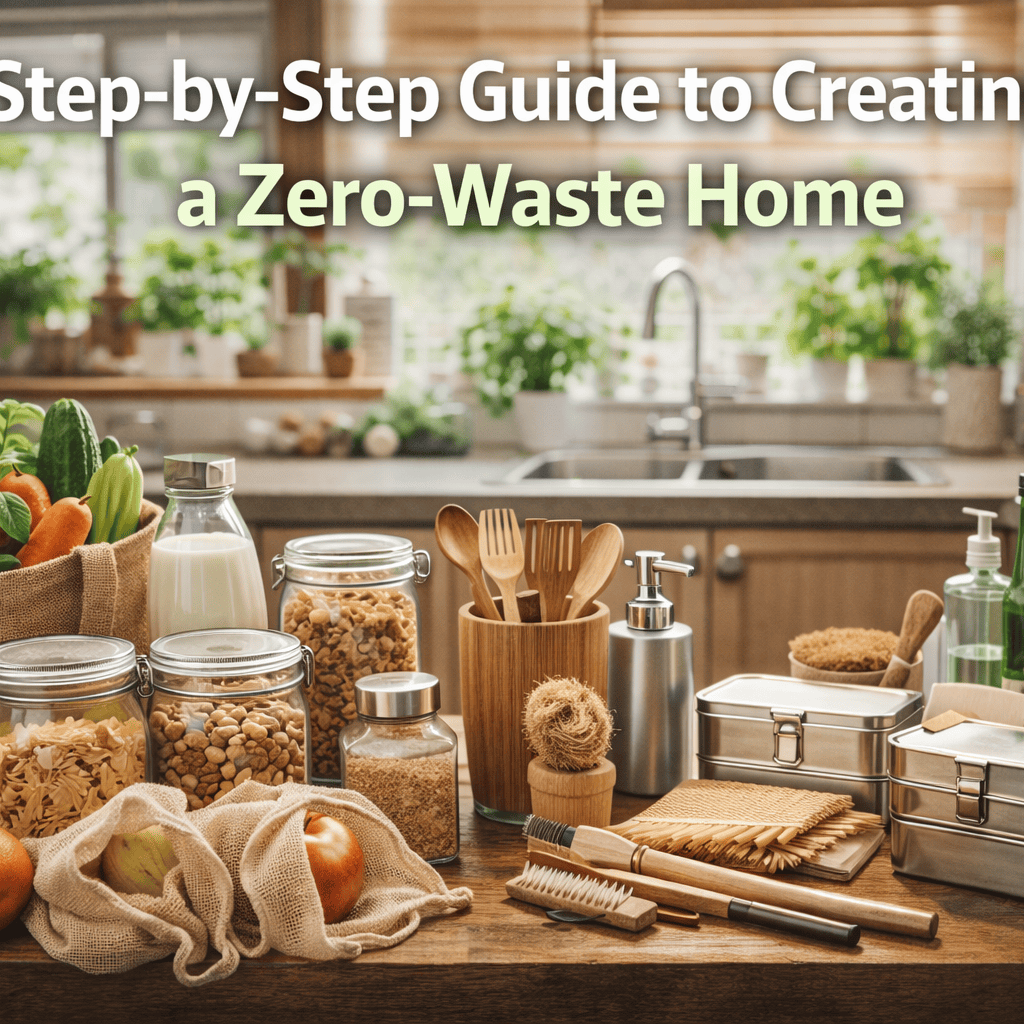
Step-by-Step Guide to Creating a Zero-Waste Home

Creating a zero-waste home isn’t about being perfect or throwing everything away overnight. It’s about making mindful choices that reduce waste, cut plastic use, and support a healthier planet — one habit at a time. At Naturest India, zero-waste living is practical, realistic, and rooted in everyday routines. This guide walks you through simple, step-by-step actions to build a low-waste home that actually works in Indian households. 🌱 What Does “Zero-Waste Home” Really Mean? A zero-waste home aims to send as little waste as possible to landfills by following five core principles: It’s not about zero trash — it’s about conscious consumption. 🧹 Step 1: Audit Your Household Waste Before changing habits, understand where waste comes from. Do this first: Most homes discover that kitchen and personal care products create the most waste. 🛁 Step 2: Switch to Low-Waste Personal Care Products Bathrooms are often packed with single-use plastic — bottles, tubes, wrappers. What to change: Naturest India focuses on skin-safe, planet-safe alternatives that help reduce plastic without compromising daily comfort. 🍽️ Step 3: Create a Low-Waste Kitchen The kitchen is the easiest place to start your zero-waste journey. Simple changes that matter: Reducing kitchen waste alone can cut nearly 40–50% of household trash. 🏡 Step 4: Choose Sustainable Home & Lifestyle Products Zero-waste living is about buying better, not buying more. Look for products that are: Thoughtfully chosen lifestyle products help replace disposables without disrupting your routine. ♻️ Step 5: Learn Proper Waste Segregation Segregation is the backbone of zero-waste living. At home, separate waste into: When waste is sorted correctly, recycling and composting actually work. 🎁 Step 6: Practice Conscious & Zero-Waste Gifting Celebrations generate unnecessary waste — but they don’t have to. Zero-waste gifting means: Sustainable gift sets inspire others to start their own low-waste journey. 🌍 Step 7: Support Ethical & Sustainable Brands Zero-waste living extends beyond your home. Support brands that: Naturest India’s philosophy is built on honest sustainability — creating products that respect both people and the planet. 🌿 Common Zero-Waste Myths (Debunked) Progress matters more than perfection. 🌱 Final Thoughts: Zero-Waste Is a Journey, Not a Destination Creating a zero-waste home is about intentional living, not instant change. When you: You create a home that’s healthier, cleaner, and kinder to the planet. Start with one change. Then another.Because meaningful impact begins at home.

Environment

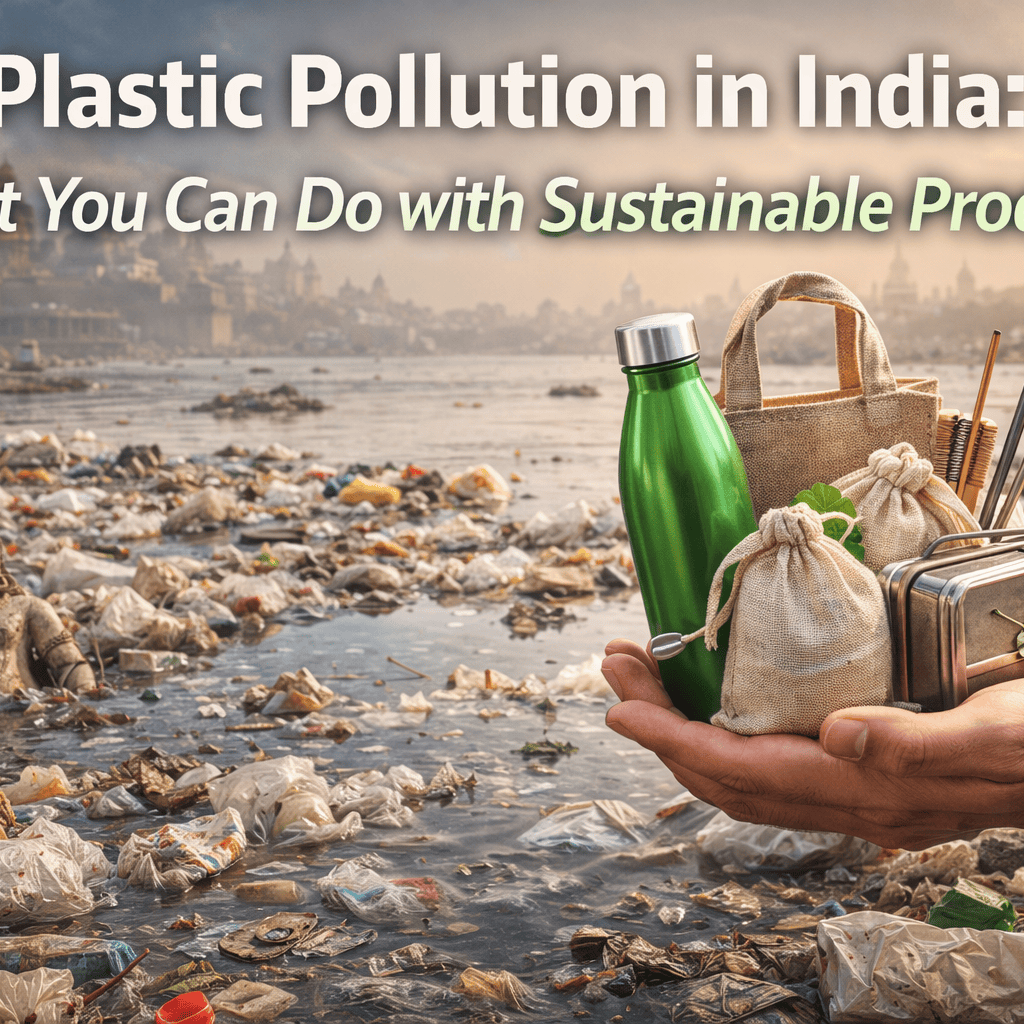
Plastic Pollution in India: What You Can Do with Sustainable Products

Plastic pollution in India is no longer a distant environmental issue it’s a daily reality. From overflowing landfills and polluted rivers to microplastics entering our food and water, plastic waste is quietly affecting our health, environment, and future. At Naturest India, sustainability isn’t a trend it’s a responsibility. This blog breaks down the plastic problem in India and, more importantly, what you can realistically do using sustainable products. 🚨 The Reality of Plastic Pollution in India India generates millions of tonnes of plastic waste every year, much of which: Single-use plastics like wrappers, bottles, sachets, and packaging are the biggest contributors and most of them are used for just a few minutes. 🧠 Why Plastic Pollution Is More Than an Environmental Issue Plastic doesn’t just harm nature it affects human health. This makes plastic pollution a health, climate, and lifestyle issue not just an environmental one. How Sustainable Products Make a Real Difference Sustainable products are designed to reduce waste at the source — before plastic even enters the system. Here’s how they help: Every sustainable swap reduces long-term plastic waste. 1. Start With Everyday Personal Care Products Personal care is one of the largest sources of plastic packaging in Indian households. What you can do: Naturest India’s approach focuses on skin-friendly, planet-friendly care — because what touches your body shouldn’t harm the Earth. 2. Reduce Plastic Through Conscious Lifestyle Choices You don’t need a zero-waste home overnight. Start small. Simple swaps that matter: These small changes reduce plastic dependency without disrupting your routine. 3. Choose Sustainable Products for Gifting Gifting is an underrated source of plastic waste. Conscious gifting means: Sustainable gifts don’t just feel good they inspire others to rethink plastic use. ♻️ How to Identify Truly Sustainable Products (Avoid Greenwashing) Not everything labeled “eco-friendly” actually is. Before buying, ask: Naturest India focuses on honest sustainability no exaggerated claims, just conscious choices. 🌍 Your Role in Reducing Plastic Pollution in India You don’t need to be perfect. You just need to be aware and intentional. Every sustainable product you choose: When millions make small changes, the impact becomes massive. 🌿 Final Thoughts: Small Choices, Big Impact Plastic pollution in India is overwhelming but it’s not hopeless. By choosing sustainable products, supporting conscious brands, and reducing single-use plastic in daily life, you become part of the solution. At Naturest India, sustainability starts with simple, practical choices because real change begins at home. Let’s move towards a future where caring for ourselves also means caring for the planet. 💚 Bestsellers

Environment

How Eco-Friendly Products Help Fight Climate Change: Real Insights

Understanding Climate Change and Its Impact Climate change refers to significant alterations in global temperatures and weather patterns over time. While climate change is a natural phenomenon, the current rapid changes are predominantly attributed to human activities. The primary driver of climate change is the accumulation of greenhouse gases in the atmosphere, caused largely by the burning of fossil fuels, industrial activities, and deforestation. The Intergovernmental Panel on Climate Change (IPCC) reports indicate that carbon dioxide (CO2) levels have risen more than 40% since the pre-industrial era, a change that has profound implications for the planet. The effects of climate change are far-reaching and multifaceted. One of the most immediate impacts includes the increase in average temperatures, contributing to extreme weather conditions such as hurricanes, floods, and droughts. According to the National Oceanic and Atmospheric Administration (NOAA), the last decade has recorded unprecedented heatwaves, with global temperatures consistently rising more than 1 degree Celsius above pre-industrial levels. Furthermore, melting ice caps and rising sea levels are threatening coastal communities, potentially displacing millions of individuals worldwide. The urgency for action cannot be overstated. Scientific research indicates that we are approaching critical tipping points, beyond which it may be exceedingly difficult to reverse detrimental effects. The time for change is now, as current consumption patterns, especially the reliance on non-sustainable products, exacerbate these issues. Approximately 70% of greenhouse gas emissions are generated from the production and consumption of goods, making it imperative to reconsider our purchasing behaviors. Transitioning to eco-friendly products presents a viable solution that can significantly reduce these emissions and contribute towards mitigating climate change. The Role of Eco-Friendly Products in Mitigating Climate Change Eco-friendly products, often referred to as sustainable or green products, are designed to have a minimal negative impact on the environment. Unlike traditional products that frequently rely on harmful chemicals and non-renewable resources, eco-friendly alternatives utilize sustainable materials and processes that significantly reduce environmental damage. This distinction is crucial, as it directly relates to their potential role in combating climate change. One of the primary benefits of eco-friendly products is their lower carbon footprint. For instance, reusable bags and containers can dramatically cut down on single-use plastics, which are significant contributors to pollution and greenhouse gas emissions during production and degradation. A study by the Environmental Protection Agency indicates that if every household in the U.S. reduced their plastic usage, carbon emissions could decrease by millions of tons annually. This exemplifies the tangible impact eco-friendly products can have on our carbon footprint. Furthermore, eco-friendly products typically employ methods that conserve natural resources, such as water and energy. For example, energy-efficient appliances reduce electricity consumption, consequently lowering greenhouse gas emissions from fossil fuel power plants. According to the U.S. Department of Energy, if all homes in the U.S. replaced their old appliances with ENERGY STAR certified products, we could prevent the emission of 40 billion pounds of greenhouse gases annually. Case studies in various sectors demonstrate the effectiveness of switching to eco-friendly alternatives. The adoption of organic farming practices shows promise in reducing methane emissions and enhancing soil carbon storage. In addition to these benefits, businesses utilizing sustainable practices often attract environmentally conscious consumers, thereby fostering a market that encourages further ecological innovation. In essence, the transition towards eco-friendly products is not merely a trend; it serves as a critical strategy in the wider effort to mitigate climate change. As we collectively become more aware of our consumption patterns, adopting and supporting eco-friendly products is essential in driving meaningful change. Economic and Social Benefits of Adopting Eco-Friendly Products The transition to eco-friendly products extends beyond environmental advantage; it embodies a broader shift towards economic stability and social sustainability. Embracing eco-friendly products stimulates sustainable job creation, as a green economy relies heavily on industries focused on recycling, renewable energy, and sustainable practices. For instance, in regions that have prioritized green technology, many new jobs have been created, ranging from renewable energy technicians to waste management specialists. This shift has led to the rise of sectors that not only reduce ecological footprints but also empower local communities. Moreover, eco-friendly products often promote enhanced public health. By utilizing sustainable materials and processes, these products minimize exposure to harmful chemicals and pollutants, contributing to healthier lifestyles. For example, communities that have embraced sustainable agriculture have reported a decrease in health-related issues tied to chemical fertilizers and pesticides. These health benefits manifest in reduced healthcare costs and an improved quality of life, thereby illustrating the interconnectedness of eco-friendliness and social welfare. Consumer responsibility is another significant aspect brought to light through the adoption of eco-friendly products. As awareness grows regarding environmental issues, consumers are more likely to choose products that reflect their values of sustainability. Businesses that align with these values often experience increased customer loyalty and market share. A pertinent example can be seen in highly successful brands like Patagonia, which place ecological responsibility at their core, thus encouraging their consumers to reflect on their purchasing choices. As they promote transparency and sustainable practices, these brands inspire other organizations to follow suit, generating a ripple effect of responsibility throughout the marketplace. In summary, the adoption of eco-friendly products yields substantial economic and social benefits, fostering job creation, promoting public health, and encouraging consumer responsibility. Such measures are integral in building resilient communities capable of confronting the challenges posed by climate change. Practical Steps to Transition to Eco-Friendly Products Transitioning to eco-friendly products is a significant step individuals and businesses can take to combat climate change effectively. This process, while important, can often seem daunting. However, by following practical steps, it becomes manageable and beneficial. First and foremost, it is essential to identify which products are genuinely sustainable. Look for certifications such as the Forest Stewardship Council (FSC), Energy Star, and organic seals. These labels often indicate that products meet strict environmental standards and have undergone thorough assessments. Next, making informed purchasing decisions is crucial. Start by researching and supporting brands that prioritize sustainability in their production processes. Many companies are

Environment

The Hidden Environmental Cost of Plastic: Facts That Will Change Your Shopping Habits

Understanding Plastic Pollution Plastic pollution has emerged as one of the most pressing environmental issues of our time, with its effects reverberating across ecosystems and human health. Plastics are synthetic materials that are derived from petrochemicals, predominantly using hydrocarbons from fossil fuels. The two most common types of plastics utilized are polyethylene terephthalate (PET) and high-density polyethylene (HDPE), along with polyvinyl chloride (PVC) and numerous other variants. These materials dominate the production of a myriad of everyday items including packaging, containers, and disposable products. According to recent statistics, approximately 300 million tons of plastic are produced globally each year. The durability and lightweight nature of plastic contribute to its prevalence, allowing it to infiltrate our surroundings and utility systems with alarming ease. In many urban environments, plastics can be found littering roadsides, clogging waterways, and polluting landscapes. It is estimated that around 8 million tons of plastic waste are discarded into our oceans each year, posing a significant threat to marine wildlife and ecosystems. The microscopic breakdown of plastics leads to the formation of microplastics, which now permeate even the most remote areas of the planet. Recycling presents its own set of challenges, as plastic materials with different chemical compositions require specific processing techniques. While there are recycling programs intended to mitigate plastic waste, the reality is that only about 9% of plastic ever produced has been effectively recycled. The remainder ends up in landfills, where it can take hundreds of years to decompose, or is incinerated, emitting toxic pollutants into the atmosphere. Moreover, the ineffective disposal of plastics exacerbates the ongoing crisis of plastic pollution, making it essential to not only understand this issue but to also actively seek ways to minimize our reliance on plastic products. The Ecological Impact of Plastic Waste The ecological ramifications of plastic waste are extensive, affecting both terrestrial and aquatic ecosystems. One of the most alarming aspects of plastic pollution is the ingestion of microplastics by various species of wildlife. These tiny plastic particles, often measuring less than five millimeters, can be consumed by a wide range of animals, from marine species like fish and seabirds to terrestrial creatures such as land mammals and insects. Consequently, microplastics have been found in the stomachs of a multitude of species, leading to various health problems that threaten their survival. The disruption of food chains is another significant consequence of plastic pollution. When marine animals ingest contaminated prey, toxins from the plastics can bioaccumulate within their bodies, gradually moving up the food chain. This phenomenon not only jeopardizes individual species but also poses risks to entire ecosystems, as the effects ripple through predator and prey relationships. Habitat destruction further exacerbates these issues, as plastic debris can smother coral reefs, degrade natural habitats, and block sunlight necessary for photosynthesis in aquatic environments. Research has highlighted specific case studies that illustrate the severe impacts plastic pollution has on biodiversity. For instance, studies have shown that the Great Pacific Garbage Patch harbors high concentrations of plastic waste, resulting in significant declines in seabird populations, which mistake the debris for food. Similarly, iconic marine mammals like dolphins and whales are increasingly found entangled in plastic waste, leading to injuries and fatalities that contribute to their endangered status. Terrestrial ecosystems are not exempt, as plastic waste found in forests and landfills disrupts the habitats of various wildlife, further endangering species already at risk due to other environmental stressors. The pervasive use of plastic in modern society has far-reaching consequences for human health that warrant serious consideration. One of the most notable issues arises from the presence of hazardous chemicals such as Bisphenol A (BPA) and phthalates, which are commonly used in the production of various plastic products. Research has demonstrated that these chemicals can leach into food and beverages, particularly when heated or stored in plastic containers. This leaching can lead to direct exposure, which has been linked to various health concerns, including hormonal disruptions, reproductive issues, and an increased risk of chronic diseases such as obesity and diabetes. Furthermore, plastic waste is not just a litter problem; it contributes significantly to environmental pollution that ultimately affects human health. When plastics break down into microplastics, they can contaminate soil, water sources, and the air we breathe. Communities near plastic waste processing sites often experience heightened exposure to pollutants, with studies indicating a correlation between proximity to these sites and respiratory issues, skin problems, and even some cancers. This demonstrates that the environmental cost of plastic extends beyond ecological damage; it also encompasses serious implications for human health. Additionally, the incineration of plastic waste generates toxic emissions including dioxins and furans, which are hazardous to both environmental and human health. As these substances spread, they can accumulate in the food chain, leading to widespread exposure among populations. The full extent of the health impacts from plastic-related pollutants is still being studied, but the evidence suggests a compelling need for a reevaluation of our reliance on plastic materials. The health effects associated with plastic use underscore the urgency of addressing this issue across consumer habits, manufacturing processes, and waste management practices. Changing Your Shopping Habits to Reduce Plastic Use In the pursuit of minimizing plastic consumption, consumers can adopt several actionable strategies that will significantly reduce their plastic footprint. One of the foremost approaches is to opt for alternative products that utilize sustainable materials. This includes selecting items packaged in glass, metal, or biodegradable materials rather than traditional plastic. When shopping for groceries, making a conscious effort to choose fresh produce instead of pre-packaged options is advisable, as it often comes without plastic wrapping. Another effective strategy is to shop in bulk, which permits consumers to purchase items without unnecessary packaging. Many bulk food stores offer a variety of products, including grains, nuts, and spices, allowing shoppers to use their own reusable containers, thereby eliminating single-use plastic bags. Additionally, buying in larger quantities can often reduce overall packaging waste while saving consumers money in the long run. Awareness of plastic packaging is

Shopping Cart
Scroll to Top