Author name: Naturest India

Sustainable Products
Naturest India

How to Measure Your Carbon Footprint and Reduce It With Sustainable Products

Climate change often feels overwhelming, but the truth is simple: our daily choices matter. From what we buy to how we live, every action leaves a carbon footprint. Understanding that footprint is the first step toward reducing it — and sustainable products make that journey practical and achievable. At Naturest India, sustainability is about empowering people with knowledge and better alternatives. This guide shows you how to measure your carbon footprint and how sustainable products help lower it in everyday life. 🌱 What Is a Carbon Footprint? Your carbon footprint is the total amount of greenhouse gases (mainly CO₂) released due to your activities. It comes from: The larger your footprint, the greater your impact on climate change. 🧮 Step 1: Measure Your Carbon Footprint You don’t need complex tools to get started. A basic estimate already provides clarity. What to Track Online carbon footprint calculators can give a useful baseline, helping you identify high-impact areas in your lifestyle. 🔍 Step 2: Identify Your Biggest Emission Sources For most households, emissions mainly come from: This is where sustainable products play a crucial role. 🌿 Step 3: Reduce Your Carbon Footprint With Sustainable Products Sustainable products are designed to reduce emissions across their lifecycle — from production to disposal. How They Help Switching to mindful alternatives significantly cuts your long-term environmental impact. 🛁 Everyday Areas Where Sustainable Products Make a Difference Personal Care Low-waste, thoughtfully formulated products reduce plastic packaging and chemical pollution. Home & Lifestyle Durable, reusable products replace disposables — cutting emissions linked to repeated manufacturing. Gifting & Consumption Choosing useful, long-lasting gifts reduces waste and unnecessary production cycles. Naturest India focuses on practical sustainability — products that fit into daily life while lowering environmental impact. ♻️ Step 4: Reduce Waste to Cut Emissions Waste contributes significantly to carbon emissions, especially when burned or dumped in landfills. What you can do: Reducing waste directly lowers methane and CO₂ emissions. 🧠 Step 5: Build Long-Term Low-Carbon Habits Carbon reduction isn’t about one-time actions — it’s about consistency. Low-impact habits include: Small, repeatable actions create lasting environmental benefits. 🌍 Why Individual Action Still Matters A common myth is that individual efforts don’t make a difference. In reality: When individuals shift habits, industries are forced to follow. 🌱 Final Thoughts: Awareness Leads to Action Measuring your carbon footprint helps you understand where you stand. Reducing it becomes easier when you choose sustainable products designed for long-term impact. At Naturest India, sustainability is rooted in everyday living — helping people reduce their footprint without complicating life. Because a lower carbon footprint doesn’t come from doing everything —it comes from doing the right things, consistently.

Naturest India

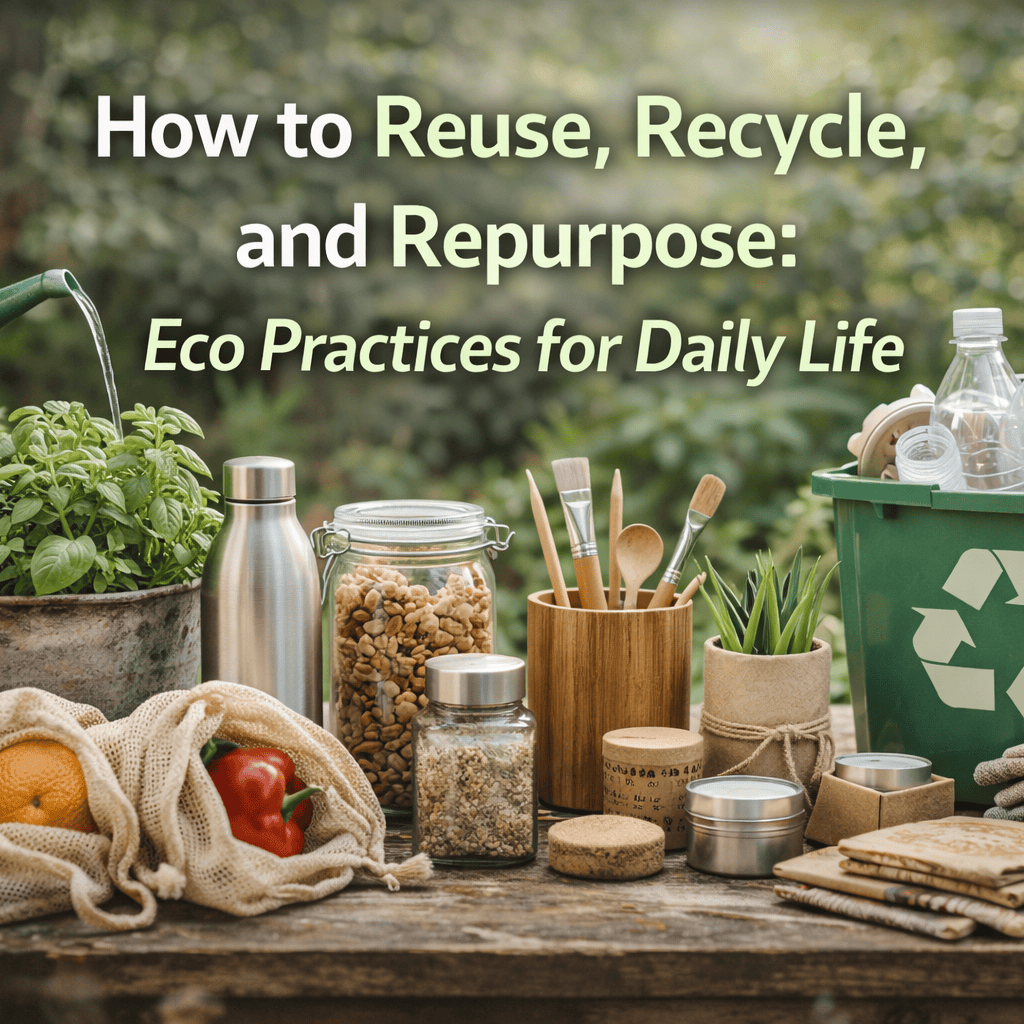
How to Reuse, Recycle, and Repurpose: Eco Practices for Daily Life

Living sustainably doesn’t require drastic changes. In fact, the most powerful eco practices are the ones you can repeat every day. Reuse, recycle, and repurpose aren’t just buzzwords — they’re practical habits that reduce waste, save resources, and protect our environment. At Naturest India, sustainability is about progress, not perfection. This guide breaks down simple, realistic eco practices you can adopt right now — especially suited to Indian homes and lifestyles. 🌱 Why Reuse, Recycle & Repurpose Matter Today India generates massive amounts of household waste daily. Much of it ends up in landfills, waterways, or is burned — harming ecosystems and human health. Practicing the 3Rs helps: Small daily actions, multiplied by millions of households, create real impact. 🔁 REUSE: Use What You Already Have Reusing is the first and most powerful step because it prevents waste before it’s created. Easy Reuse Habits for Daily Life Naturest India supports reuse through durable, thoughtfully designed products that replace disposable habits with sustainable routines. ♻️ RECYCLE: Do It the Right Way Recycling works only when waste is segregated properly. How to Recycle Correctly at Home Important tip: Always rinse containers before recycling. Dirty recyclables often end up in landfills. Recycling is effective — but reuse and reduction come first. 🔄 REPURPOSE: Give Waste a Second Life Repurposing (or upcycling) turns waste into something useful — reducing the need to buy new items. Simple Repurposing Ideas Repurposing builds creativity while cutting waste and consumption. 🏡 Applying the 3Rs Across Your Home 🛁 Bathroom 🍽️ Kitchen 🎁 Gifting Every area of your home offers an opportunity to practice the 3Rs. 🌿 How Sustainable Products Support the 3Rs Sustainable products are designed to: Naturest India focuses on clean, conscious alternatives that naturally align with reuse, recycling, and repurposing — making eco-friendly living easier and more accessible. 🌍 Common Myths About Recycling & Reuse Awareness leads to action — action leads to impact. 🌱 Final Thoughts: Sustainability Is a Daily Practice You don’t need to be zero-waste to live sustainably. You just need to be intentional. By choosing to: You reduce waste, conserve resources, and contribute to a healthier planet. At Naturest India, sustainability begins with everyday choices — because real change isn’t loud or complicated.It’s consistent. Let’s make eco practices part of daily life. 💚

Environment

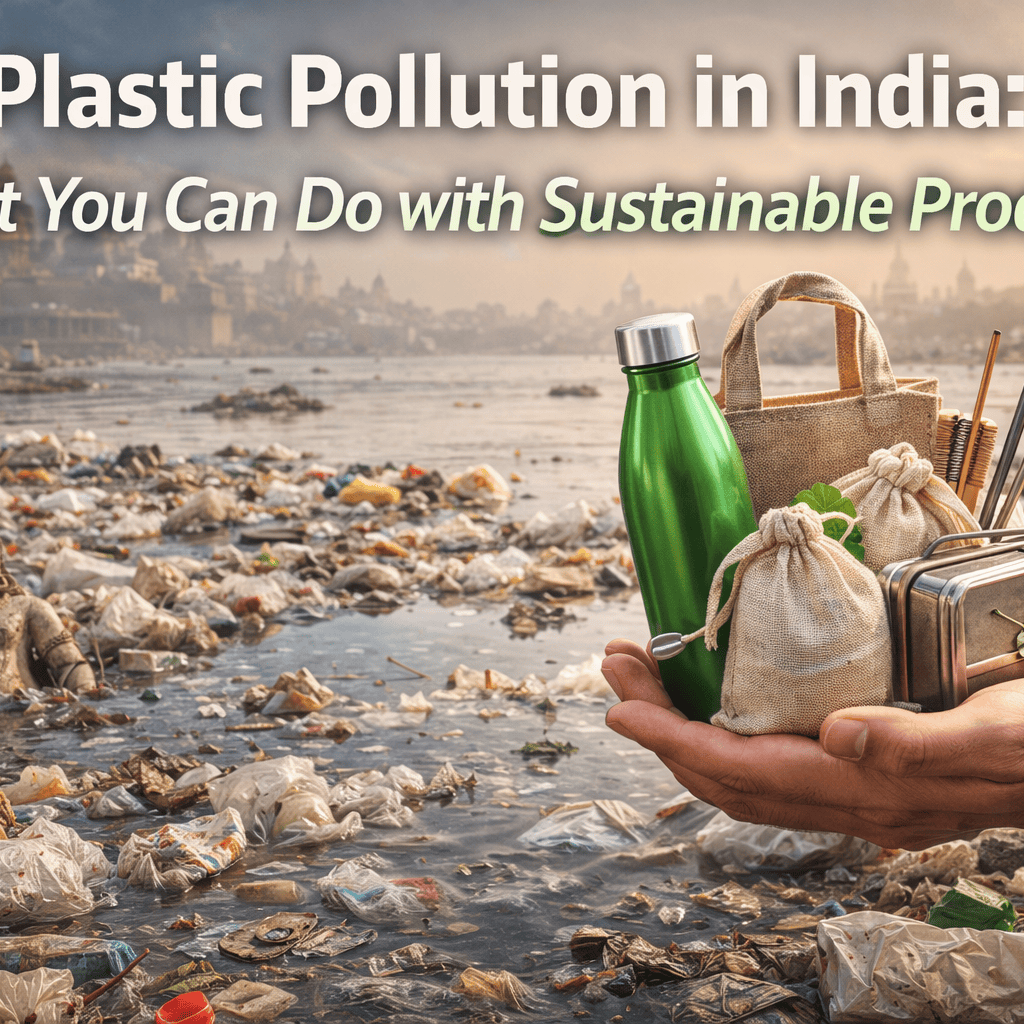
Plastic Pollution in India: What You Can Do with Sustainable Products

Plastic pollution in India is no longer a distant environmental issue it’s a daily reality. From overflowing landfills and polluted rivers to microplastics entering our food and water, plastic waste is quietly affecting our health, environment, and future. At Naturest India, sustainability isn’t a trend it’s a responsibility. This blog breaks down the plastic problem in India and, more importantly, what you can realistically do using sustainable products. 🚨 The Reality of Plastic Pollution in India India generates millions of tonnes of plastic waste every year, much of which: Single-use plastics like wrappers, bottles, sachets, and packaging are the biggest contributors and most of them are used for just a few minutes. 🧠 Why Plastic Pollution Is More Than an Environmental Issue Plastic doesn’t just harm nature it affects human health. This makes plastic pollution a health, climate, and lifestyle issue not just an environmental one. How Sustainable Products Make a Real Difference Sustainable products are designed to reduce waste at the source — before plastic even enters the system. Here’s how they help: Every sustainable swap reduces long-term plastic waste. 1. Start With Everyday Personal Care Products Personal care is one of the largest sources of plastic packaging in Indian households. What you can do: Naturest India’s approach focuses on skin-friendly, planet-friendly care — because what touches your body shouldn’t harm the Earth. 2. Reduce Plastic Through Conscious Lifestyle Choices You don’t need a zero-waste home overnight. Start small. Simple swaps that matter: These small changes reduce plastic dependency without disrupting your routine. 3. Choose Sustainable Products for Gifting Gifting is an underrated source of plastic waste. Conscious gifting means: Sustainable gifts don’t just feel good they inspire others to rethink plastic use. ♻️ How to Identify Truly Sustainable Products (Avoid Greenwashing) Not everything labeled “eco-friendly” actually is. Before buying, ask: Naturest India focuses on honest sustainability no exaggerated claims, just conscious choices. 🌍 Your Role in Reducing Plastic Pollution in India You don’t need to be perfect. You just need to be aware and intentional. Every sustainable product you choose: When millions make small changes, the impact becomes massive. 🌿 Final Thoughts: Small Choices, Big Impact Plastic pollution in India is overwhelming but it’s not hopeless. By choosing sustainable products, supporting conscious brands, and reducing single-use plastic in daily life, you become part of the solution. At Naturest India, sustainability starts with simple, practical choices because real change begins at home. Let’s move towards a future where caring for ourselves also means caring for the planet. 💚 Bestsellers

Environment

How Eco-Friendly Products Help Fight Climate Change: Real Insights

Understanding Climate Change and Its Impact Climate change refers to significant alterations in global temperatures and weather patterns over time. While climate change is a natural phenomenon, the current rapid changes are predominantly attributed to human activities. The primary driver of climate change is the accumulation of greenhouse gases in the atmosphere, caused largely by the burning of fossil fuels, industrial activities, and deforestation. The Intergovernmental Panel on Climate Change (IPCC) reports indicate that carbon dioxide (CO2) levels have risen more than 40% since the pre-industrial era, a change that has profound implications for the planet. The effects of climate change are far-reaching and multifaceted. One of the most immediate impacts includes the increase in average temperatures, contributing to extreme weather conditions such as hurricanes, floods, and droughts. According to the National Oceanic and Atmospheric Administration (NOAA), the last decade has recorded unprecedented heatwaves, with global temperatures consistently rising more than 1 degree Celsius above pre-industrial levels. Furthermore, melting ice caps and rising sea levels are threatening coastal communities, potentially displacing millions of individuals worldwide. The urgency for action cannot be overstated. Scientific research indicates that we are approaching critical tipping points, beyond which it may be exceedingly difficult to reverse detrimental effects. The time for change is now, as current consumption patterns, especially the reliance on non-sustainable products, exacerbate these issues. Approximately 70% of greenhouse gas emissions are generated from the production and consumption of goods, making it imperative to reconsider our purchasing behaviors. Transitioning to eco-friendly products presents a viable solution that can significantly reduce these emissions and contribute towards mitigating climate change. The Role of Eco-Friendly Products in Mitigating Climate Change Eco-friendly products, often referred to as sustainable or green products, are designed to have a minimal negative impact on the environment. Unlike traditional products that frequently rely on harmful chemicals and non-renewable resources, eco-friendly alternatives utilize sustainable materials and processes that significantly reduce environmental damage. This distinction is crucial, as it directly relates to their potential role in combating climate change. One of the primary benefits of eco-friendly products is their lower carbon footprint. For instance, reusable bags and containers can dramatically cut down on single-use plastics, which are significant contributors to pollution and greenhouse gas emissions during production and degradation. A study by the Environmental Protection Agency indicates that if every household in the U.S. reduced their plastic usage, carbon emissions could decrease by millions of tons annually. This exemplifies the tangible impact eco-friendly products can have on our carbon footprint. Furthermore, eco-friendly products typically employ methods that conserve natural resources, such as water and energy. For example, energy-efficient appliances reduce electricity consumption, consequently lowering greenhouse gas emissions from fossil fuel power plants. According to the U.S. Department of Energy, if all homes in the U.S. replaced their old appliances with ENERGY STAR certified products, we could prevent the emission of 40 billion pounds of greenhouse gases annually. Case studies in various sectors demonstrate the effectiveness of switching to eco-friendly alternatives. The adoption of organic farming practices shows promise in reducing methane emissions and enhancing soil carbon storage. In addition to these benefits, businesses utilizing sustainable practices often attract environmentally conscious consumers, thereby fostering a market that encourages further ecological innovation. In essence, the transition towards eco-friendly products is not merely a trend; it serves as a critical strategy in the wider effort to mitigate climate change. As we collectively become more aware of our consumption patterns, adopting and supporting eco-friendly products is essential in driving meaningful change. Economic and Social Benefits of Adopting Eco-Friendly Products The transition to eco-friendly products extends beyond environmental advantage; it embodies a broader shift towards economic stability and social sustainability. Embracing eco-friendly products stimulates sustainable job creation, as a green economy relies heavily on industries focused on recycling, renewable energy, and sustainable practices. For instance, in regions that have prioritized green technology, many new jobs have been created, ranging from renewable energy technicians to waste management specialists. This shift has led to the rise of sectors that not only reduce ecological footprints but also empower local communities. Moreover, eco-friendly products often promote enhanced public health. By utilizing sustainable materials and processes, these products minimize exposure to harmful chemicals and pollutants, contributing to healthier lifestyles. For example, communities that have embraced sustainable agriculture have reported a decrease in health-related issues tied to chemical fertilizers and pesticides. These health benefits manifest in reduced healthcare costs and an improved quality of life, thereby illustrating the interconnectedness of eco-friendliness and social welfare. Consumer responsibility is another significant aspect brought to light through the adoption of eco-friendly products. As awareness grows regarding environmental issues, consumers are more likely to choose products that reflect their values of sustainability. Businesses that align with these values often experience increased customer loyalty and market share. A pertinent example can be seen in highly successful brands like Patagonia, which place ecological responsibility at their core, thus encouraging their consumers to reflect on their purchasing choices. As they promote transparency and sustainable practices, these brands inspire other organizations to follow suit, generating a ripple effect of responsibility throughout the marketplace. In summary, the adoption of eco-friendly products yields substantial economic and social benefits, fostering job creation, promoting public health, and encouraging consumer responsibility. Such measures are integral in building resilient communities capable of confronting the challenges posed by climate change. Practical Steps to Transition to Eco-Friendly Products Transitioning to eco-friendly products is a significant step individuals and businesses can take to combat climate change effectively. This process, while important, can often seem daunting. However, by following practical steps, it becomes manageable and beneficial. First and foremost, it is essential to identify which products are genuinely sustainable. Look for certifications such as the Forest Stewardship Council (FSC), Energy Star, and organic seals. These labels often indicate that products meet strict environmental standards and have undergone thorough assessments. Next, making informed purchasing decisions is crucial. Start by researching and supporting brands that prioritize sustainability in their production processes. Many companies are

Sustainability

The Ripple Effect: How Small Eco-Friendly Swaps Lead to Big Environmental Change

Understanding the Concept of Eco-Friendly Swaps Eco-friendly swaps are simple yet effective changes that individuals can implement in their daily lives to contribute to sustainability. They often involve replacing traditional products or practices with more environmentally responsible alternatives. These swaps can range from utilizing reusable shopping bags instead of single-use plastic ones to investing in energy-efficient appliances that reduce electricity consumption. Each small change, when multiplied by a community of like-minded individuals, can lead to significant reductions in waste and energy usage. One common example of an eco-friendly swap includes opting for bamboo or metal straws rather than plastic ones. This transition not only minimizes plastic waste, which is a growing concern in our oceans and landfills but also promotes the use of sustainable materials. Additionally, many people are now choosing to carry their own reusable coffee cups instead of accepting disposable ones, which further illustrates a commitment to reducing single-use products. Another important category of eco-friendly swaps involves energy consumption. Homeowners can significantly lower their carbon footprint by replacing traditional light bulbs with LED options. LED lights consume much less energy and have a longer lifespan, showcasing how energy-efficient appliances and products can lead to a more sustainable lifestyle. These individual actions, while seemingly small, carry substantial implications for environmental health. When a community embraces eco-friendly swaps collectively, the cumulative effect of these changes can foster a culture of sustainability. The awareness and practice of making better choices for the environment is crucial in addressing broader issues like climate change and resource depletion. Engaging in eco-friendly swaps not only benefits the environment but also encourages others to reconsider their choices, amplifying the ripple effect of positive change. Examples of Small Eco-Friendly Swaps Adopting eco-friendly habits does not require a complete lifestyle overhaul; small, manageable changes can collectively create a significant environmental impact. For instance, one of the most straightforward swaps involves replacing single-use plastic bags with reusable tote bags. Plastic pollution is notorious for harming marine life and ecosystems. By utilizing reusable bags, individuals can contribute to a decrease in plastic waste, which is crucial for the wellbeing of our planet. Another beneficial transition is to bamboo toothbrushes instead of traditional plastic ones. Every year, millions of plastic toothbrushes end up in landfills and oceans, taking years to decompose. Bamboo toothbrushes are biodegradable and provide a sustainable alternative for personal hygiene, thereby minimizing plastic pollution. This small habit change is an excellent step towards adopting a greener lifestyle. Furthermore, replacing plastic straws with metal or silicone ones can have a significant effect on the environment. Plastic straws are often used once and discarded, leading to a considerable amount of waste accumulating in oceans and natural habitats. Metal or silicone straws, by contrast, are reusable and help reduce the reliance on single-use plastics. Opting for these alternatives fosters a greater awareness of sustainable practices and may encourage others to follow suit. Lastly, a simple yet effective swap would be using beeswax wraps instead of plastic wrap for food storage. Made from organic materials, beeswax wraps not only prolongs the freshness of food but also eliminates the need for plastic cling film, which contributes to landfill issues. Making conscious choices like these, even in small measures, significantly demonstrates how individual efforts can contribute to larger environmental changes. The Science Behind Cumulative Impact The concept of cumulative impact is pivotal in understanding how individual actions can sum together to produce significant environmental changes. At its core, this phenomenon is often framed through the lens of the butterfly effect, which posits that small causes can have large effects. In environmental studies, this translates into how minor eco-friendly practices, when adopted widely, can lead to substantial reductions in our collective carbon footprint and resource consumption. Research indicates that individual behavioral changes, such as reducing plastic usage or conserving water, can accumulate in remarkable ways. For example, a national campaign promoting the use of reusable shopping bags led to millions of fewer plastic bags being used daily. This shift, while initiated by relatively few individuals, exemplifies how collective behavior in sustainability efforts can deliver significant environmental impacts. Statistics underline the effectiveness of these small eco-friendly swaps. According to the Environmental Protection Agency (EPA), if every household in the United States replaced just one light bulb with an energy-efficient model, the country would save enough energy to light more than 2.5 million homes for an entire year. Such numbers illustrate that individual choices manifest into broader environmental benefits. Moreover, case studies have showcased how communities adopting collective action can create transformative change. For instance, a community transitioning to public transport not only reduces greenhouse gas emissions but also encourages neighboring regions to re-evaluate their transport policies. This ripple effect highlights the power of collaboration among individuals striving for sustainability. In summary, the interplay between individual behavior and collective action forms the bedrock of strategies aimed at achieving substantial environmental improvements. Understanding the science behind cumulative impact underscores the importance of each person’s contribution, illustrating how small eco-friendly swaps possess the potential to instigate profound transformations in environmental health. Inspiring Stories and Community Efforts Across the globe, countless individuals and communities are harnessing the power of small eco-friendly swaps to instigate significant environmental change. These grassroots movements often begin with a simple idea and blossom into impactful campaigns that inspire others to adopt sustainable practices. One notable example is the Zero Waste Village initiative in Capannori, Italy, where residents have organized their entire community to minimize waste. By promoting composting, reusable containers, and local food production, they successfully reduced landfill contributions and improved ecological awareness among residents. Another inspiring case comes from a group of high school students in Seattle, Washington, who launched the Green Up School Challenge. This project encouraged students to replace plastic water bottles with reusable ones. Through collaborative efforts, they managed to save thousands of plastic bottles from entering the ocean while instilling eco-conscious habits among young people. Their success demonstrates how collective action can lead to substantial results, promoting environmental stewardship

Environment

The Hidden Environmental Cost of Plastic: Facts That Will Change Your Shopping Habits

Understanding Plastic Pollution Plastic pollution has emerged as one of the most pressing environmental issues of our time, with its effects reverberating across ecosystems and human health. Plastics are synthetic materials that are derived from petrochemicals, predominantly using hydrocarbons from fossil fuels. The two most common types of plastics utilized are polyethylene terephthalate (PET) and high-density polyethylene (HDPE), along with polyvinyl chloride (PVC) and numerous other variants. These materials dominate the production of a myriad of everyday items including packaging, containers, and disposable products. According to recent statistics, approximately 300 million tons of plastic are produced globally each year. The durability and lightweight nature of plastic contribute to its prevalence, allowing it to infiltrate our surroundings and utility systems with alarming ease. In many urban environments, plastics can be found littering roadsides, clogging waterways, and polluting landscapes. It is estimated that around 8 million tons of plastic waste are discarded into our oceans each year, posing a significant threat to marine wildlife and ecosystems. The microscopic breakdown of plastics leads to the formation of microplastics, which now permeate even the most remote areas of the planet. Recycling presents its own set of challenges, as plastic materials with different chemical compositions require specific processing techniques. While there are recycling programs intended to mitigate plastic waste, the reality is that only about 9% of plastic ever produced has been effectively recycled. The remainder ends up in landfills, where it can take hundreds of years to decompose, or is incinerated, emitting toxic pollutants into the atmosphere. Moreover, the ineffective disposal of plastics exacerbates the ongoing crisis of plastic pollution, making it essential to not only understand this issue but to also actively seek ways to minimize our reliance on plastic products. The Ecological Impact of Plastic Waste The ecological ramifications of plastic waste are extensive, affecting both terrestrial and aquatic ecosystems. One of the most alarming aspects of plastic pollution is the ingestion of microplastics by various species of wildlife. These tiny plastic particles, often measuring less than five millimeters, can be consumed by a wide range of animals, from marine species like fish and seabirds to terrestrial creatures such as land mammals and insects. Consequently, microplastics have been found in the stomachs of a multitude of species, leading to various health problems that threaten their survival. The disruption of food chains is another significant consequence of plastic pollution. When marine animals ingest contaminated prey, toxins from the plastics can bioaccumulate within their bodies, gradually moving up the food chain. This phenomenon not only jeopardizes individual species but also poses risks to entire ecosystems, as the effects ripple through predator and prey relationships. Habitat destruction further exacerbates these issues, as plastic debris can smother coral reefs, degrade natural habitats, and block sunlight necessary for photosynthesis in aquatic environments. Research has highlighted specific case studies that illustrate the severe impacts plastic pollution has on biodiversity. For instance, studies have shown that the Great Pacific Garbage Patch harbors high concentrations of plastic waste, resulting in significant declines in seabird populations, which mistake the debris for food. Similarly, iconic marine mammals like dolphins and whales are increasingly found entangled in plastic waste, leading to injuries and fatalities that contribute to their endangered status. Terrestrial ecosystems are not exempt, as plastic waste found in forests and landfills disrupts the habitats of various wildlife, further endangering species already at risk due to other environmental stressors. The pervasive use of plastic in modern society has far-reaching consequences for human health that warrant serious consideration. One of the most notable issues arises from the presence of hazardous chemicals such as Bisphenol A (BPA) and phthalates, which are commonly used in the production of various plastic products. Research has demonstrated that these chemicals can leach into food and beverages, particularly when heated or stored in plastic containers. This leaching can lead to direct exposure, which has been linked to various health concerns, including hormonal disruptions, reproductive issues, and an increased risk of chronic diseases such as obesity and diabetes. Furthermore, plastic waste is not just a litter problem; it contributes significantly to environmental pollution that ultimately affects human health. When plastics break down into microplastics, they can contaminate soil, water sources, and the air we breathe. Communities near plastic waste processing sites often experience heightened exposure to pollutants, with studies indicating a correlation between proximity to these sites and respiratory issues, skin problems, and even some cancers. This demonstrates that the environmental cost of plastic extends beyond ecological damage; it also encompasses serious implications for human health. Additionally, the incineration of plastic waste generates toxic emissions including dioxins and furans, which are hazardous to both environmental and human health. As these substances spread, they can accumulate in the food chain, leading to widespread exposure among populations. The full extent of the health impacts from plastic-related pollutants is still being studied, but the evidence suggests a compelling need for a reevaluation of our reliance on plastic materials. The health effects associated with plastic use underscore the urgency of addressing this issue across consumer habits, manufacturing processes, and waste management practices. Changing Your Shopping Habits to Reduce Plastic Use In the pursuit of minimizing plastic consumption, consumers can adopt several actionable strategies that will significantly reduce their plastic footprint. One of the foremost approaches is to opt for alternative products that utilize sustainable materials. This includes selecting items packaged in glass, metal, or biodegradable materials rather than traditional plastic. When shopping for groceries, making a conscious effort to choose fresh produce instead of pre-packaged options is advisable, as it often comes without plastic wrapping. Another effective strategy is to shop in bulk, which permits consumers to purchase items without unnecessary packaging. Many bulk food stores offer a variety of products, including grains, nuts, and spices, allowing shoppers to use their own reusable containers, thereby eliminating single-use plastic bags. Additionally, buying in larger quantities can often reduce overall packaging waste while saving consumers money in the long run. Awareness of plastic packaging is

Sustainability

Why Choosing Eco-Friendly Products is More Important Than Ever (And How It Impacts Our Future)

The Urgency of Sustainable Choices In recent years, the environmental crisis has escalated to a level that compels immediate attention and action. Climate change is arguably the most pressing issue we face, characterized by rising global temperatures, increasingly severe weather patterns, and shifting ecosystems. Scientific evidence indicates that human activities, predominantly the burning of fossil fuels and deforestation, have significantly contributed to these changes, causing the Earth’s temperature to rise at an alarming rate. The Intergovernmental Panel on Climate Change (IPCC) has warned that unless we enact profound changes in our consumption and production patterns, we may face irreversible damage to our planet. Pollution is another dire concern linked to our consumption habits. From plastic waste choking our oceans to air pollution affecting millions worldwide, the need for sustainable alternatives is paramount. The World Health Organization (WHO) has recognized that environmental pollutants contribute to various health problems, including respiratory diseases and cancers, emphasizing the importance of adopting eco-friendly practices. By choosing products that minimize waste and reduce environmental impact, consumers can help mitigate this crisis. Biodiversity loss is equally alarming, with species disappearing at an unprecedented rate. Habitat destruction, pollution, and climate change contribute to this decline, destabilizing ecosystems that humans rely on for food, water, and other resources. The UN’s Global Biodiversity Outlook warns that without concerted efforts to preserve natural habitats and shift consumer behavior towards sustainability, we face the collapse of vital ecosystems that support life. These interconnected challenges underline the urgency of opting for sustainable choices in our daily lives. By prioritizing eco-friendly products, individuals not only reduce their ecological footprint but also drive systemic change. Consumer preferences can influence corporate practices, prompting businesses to adopt more sustainable strategies. Thus, every purchase is a vote for the kind of world we want to inhabit—a world where ecological balance and human well-being coexist harmoniously. Understanding Eco-Friendly Products Eco-friendly products are those designed to limit their impact on the environment and promote sustainability throughout their lifecycle. These products often possess unique characteristics that distinguish them from conventional alternatives. For instance, eco-friendly products typically utilize sustainable materials, are produced through processes that consume fewer resources, and incorporate principles that endorse the preservation of the ecosystem. One key aspect of eco-friendly products is their reliance on natural or recycled materials. Examples of such materials include organic cotton, bamboo, and recycled plastics. These materials significantly reduce the burden on the Earth’s resources and minimize pollution during production. Moreover, many eco-friendly products are biodegradable or compostable, ensuring that they do not contribute to landfill issues in the long run. Certifications play a crucial role in identifying truly eco-friendly products. Several organizations and standards exist to verify that products meet specific environmental criteria. Well-known certifications include Energy Star, USDA Organic, and Fair Trade. Products bearing these labels offer consumers reassurance that their purchases align with eco-friendly principles and contribute positively to the environment. When comparing eco-friendly options to traditional products, benefits extend beyond their material sourcing. Many eco-friendly items are designed to be more durable, often resulting in lower consumption rates over time. For instance, reusable shopping bags made from recycled materials can replace single-use plastic bags, significantly reducing plastic waste. In various markets, consumers can find eco-friendly alternatives in everything from household cleaners to clothing and personal care items. As awareness of environmental issues continues to grow, the availability of these options expands, encouraging individuals to make choices that benefit both themselves and the planet. The Personal and Global Impact of Choosing Eco-Friendly Choosing eco-friendly products significantly influences both individual well-being and the health of our planet. On a personal level, opting for sustainable products contributes to healthier lifestyle choices. Many eco-friendly items are made from natural, non-toxic materials that pose fewer health risks compared to their conventional counterparts. For instance, organic foods, free from harmful pesticides and chemicals, not only offer nutritional benefits but also reduce exposure to toxic substances. This emphasis on health ultimately cultivates a lifestyle centered on well-being, encouraging individuals to seek out products that align with strong personal values regarding their health and the environment. At a global scale, the adoption of eco-friendly practices demonstrates a commitment to sustainability—a crucial aspect of addressing climate change and environmental degradation. By choosing sustainable products, consumers can drive demand for businesses that prioritize green practices. This shift influences corporations to adopt more environmentally responsible production methods. Organizations are increasingly recognizing the need to adapt their operations to meet consumer preferences, which can lead to widespread changes in manufacturing processes, waste management strategies, and sourcing materials. The benefits of selecting eco-friendly products extend beyond individual health and corporate practices to encompass local communities and economies. Sustainable purchasing habits encourage local businesses to invest in eco-conscious initiatives, promoting economic resiliency. As communities embrace sustainable practices, they foster an environment that invites innovation and collaboration, ultimately inspiring others to follow suit. This ripple effect can accelerate the overall shift towards a more sustainable society. In this regard, the impact of choosing eco-friendly products is multi-faceted, influencing personal health, corporate responsibility, and community development. Each choice can contribute to a more sustainable future, becoming a catalyst for change that promotes a healthier planet while enriching lives. Making the Transition: Practical Tips for Choosing Eco-Friendly Products Transitioning to eco-friendly products is a significant step toward sustainability and minimizing our ecological footprint. However, it may seem overwhelming at first. Here are some actionable steps to help streamline the process of integrating green products into your daily life. Firstly, it is essential to educate yourself about what defines eco-friendly products. These items typically have minimal environmental impact, are made from sustainable resources, or can be reused or recycled effectively. Look for certifications and labels such as Energy Star, USDA Organic, or Fair Trade, which can help identify genuinely sustainable options. When shopping for eco-friendly products, buying from local vendors or brands dedicated to environmental responsibility can make a substantial difference. Farmers’ markets and local co-ops often carry sustainable products, from produce to housewares. Additionally, several online

Naturest India

The Truth About Natural Bathing Bars: Are They Really Better for Your Skin?

Chemical-free, clean skin — or just marketing hype? Let’s break it down. 🌿 Introduction: What Are You Really Putting On Your Skin? Every day, we shower with products promising glowing skin and freshness. But have you ever looked at what’s inside your soap? Sulfates. Parabens. Synthetic fragrances. Artificial colorants. These aren’t skincare heroes — they’re irritants, endocrine disruptors, and silent stressors for your skin and the planet. At Naturest India, we believe in going back to the roots — with bathing bars handcrafted from natural oils, herbal extracts, and zero chemicals. But do they actually work? Are they worth the switch? Let’s uncover the truth. 🧴 How Commercial Soaps Are Harming Your Skin (and the Earth) Many supermarket soaps are technically detergents. They strip away natural oils, disrupt pH balance, and leave skin dry, itchy, and inflamed. Here’s what’s commonly inside: What’s worse — most of them come wrapped in plastic, adding to landfill waste. 🛁 What Makes Naturest Bathing Bars Different? Our soaps aren’t just natural, they’re nurturing. Here’s why: 🌸 1. Infused with Real Botanical Extracts Each bar is blended with herbs, flowers, and essential oils chosen for specific skin benefits. 🧼 2. Handmade in Small Batches Unlike factory-produced soaps, our bars are cold-processed, ensuring no nutrients are lost in production. 🌿 3. Free from Toxins & Synthetic Additives No parabens. No sulfates. No nasties. Just clean, plant-powered skincare. 🧴 4. Gentle on Skin, Tough on Impurities They cleanse without stripping your skin’s natural moisture barrier, making them ideal for dry, sensitive, or acne-prone skin. 💚 Which Bar is Right for You? Bar Name Best For English Lavender Stress relief, sensitive skin Jasmine Blossom Brightening, softening dry skin Activated Charcoal Detoxifying, acne-prone skin Sandalwood & Saffron Glowing skin, reducing sun tan ✨ Each bar is beautifully crafted, smells divine, and is packaged with zero plastic. ♻️ Bonus: Better for the Planet Too When you use a Naturest bar, you’re not just washing your skin — you’re washing away wasteful choices. 🌼 Conclusion: Your Skin Deserves Better Natural bathing bars aren’t just a trend — they’re a return to wellness, rooted in simplicity. If you’ve been struggling with dryness, irritation, or simply want a more conscious self-care routine, Naturest’s natural soaps are your skin’s new best friend. 🧽 Ready to make the clean switch?

Naturest India

Why Your Toothbrush Might Be Hurting the Planet (And What You Can Do About It)

A small plastic stick, a big environmental problem. 🧊 Let’s Face It — We Don’t Think Twice About Our Toothbrush It’s something we use twice a day (hopefully!), and throw away every few months without much thought. But what happens to that toothbrush once it’s tossed? It sits in a landfill or floats in the ocean — for over 400 years. That little piece of plastic you’ve been using to keep your teeth clean might actually be polluting the planet far longer than you’ll live on it. 💔 The Dirty Truth About Plastic Toothbrushes Over 1 billion plastic toothbrushes are thrown away each year in India alone. Most are made from non-recyclable plastics like polypropylene and nylon. Even the bristles are not compostable. They’re burned, buried, or end up in our oceans — harming marine life and entering our food chain as microplastics. And here’s the worst part: every single toothbrush you’ve ever used still exists somewhere on this Earth. 🌿 So What’s the Solution? Bamboo Toothbrushes. At Naturest India, we’re turning the tide on plastic pollution — one brush at a time. Our bamboo toothbrushes are designed for eco-conscious individuals who care about both their health and the planet. ✅ Why Switch to a Naturest Bamboo Toothbrush? 👪 Making the Switch Is Easier Than You Think Replace your plastic toothbrush with a Naturest bamboo one today. No extra effort. No lifestyle overhaul. Just a better brush with a better impact. Tip: When it’s time to dispose of it, pull out the bristles with pliers, compost the handle, and recycle the metal separately if needed. 🔁 Small Habit, Massive Impact Let’s do some quick math: If one person uses 4 plastic toothbrushes a year, that’s 40 in a decade.If 10,000 people switch to bamboo? That’s 400,000 fewer plastic brushes polluting the earth. Change your brush, change your footprint. ✨ Conclusion: Brush with Intention We all brush our teeth — it’s non-negotiable. But now, it can be non-destructive too. Naturest’s bamboo toothbrushes are an easy, affordable, and impactful way to care for your smile and the world around you. 🛒 Ready to make the switch?

Naturest India

5 Everyday Swaps to Start Living Plastic-Free Without Overwhelming Yourself

Because sustainable living starts with simple switches, not sudden overhauls. Why Plastic-Free Living Feels Overwhelming (But Doesn’t Have to Be) We’ve all seen the headlines oceans full of plastic, overflowing landfills, microplastics in our food. And while the intention to live more sustainably is growing, taking the first step often feels confusing and complicated. But here’s the truth: going plastic-free doesn’t require a perfect lifestyle. It just requires conscious, consistent changes. At Naturest India, we believe small daily habits can lead to lasting global impact and that’s where everyday swaps come in. 🌿 Here Are 5 Simple, Low-Effort Swaps You Can Start With Today 1. Swap Your Plastic Toothbrush → Bamboo Toothbrush Why:A single plastic toothbrush takes over 400 years to break down — and millions are tossed every day. Eco Alternative:Our Orion Bamboo Toothbrush is made with a biodegradable bamboo handle and soft bristles from castor bean oil. It cleans your teeth without dirtying the planet. Bonus: Choose from kids’ and adults’ sizes in soft pastel bristle colors. 🔗 [Shop Bamboo Toothbrush →] 2. Swap Bottled Shower Gels → Natural Bathing Bars Why:Shower gels are usually packaged in plastic and contain harmful chemicals like SLS, parabens, and synthetic fragrances. Eco Alternative:Try our Handcrafted Bathing Bars — infused with natural oils, floral extracts, and zero plastic packaging. Choose from calming Lavender, refreshing Jasmine Blossom, detoxifying Activated Charcoal, or brightening Sandalwood & Saffron. Your skin will thank you. So will the ocean. 🔗 [Shop Natural Soaps →] 3. Swap Plastic Combs → Neem Wood Comb Why:Plastic combs can cause hair breakage, static, and scalp irritation. Eco Alternative:Our Neem Wood Comb is antibacterial, supports scalp health, and reduces dandruff — all while being 100% compostable and toxin-free. 🔗 [Shop Neem Comb →] 4. Swap Disposable Straws → Reusable Bamboo Straws Why:Plastic straws are one of the most common single-use plastics clogging land and sea. Eco Alternative:Sip smoothies, juices, and coconut water guilt-free with our Natural Bamboo Straw. Made from hollow bamboo stalks — smooth, washable, and endlessly reusable. 🔗 [Shop Bamboo Straw →] 5. Swap Plastic Razors → Bamboo Handle Razors Why:Disposable razors contribute thousands of tons of unrecyclable plastic waste each year. Eco Alternative:Our Bamboo Razor has a stainless steel head with a sturdy bamboo handle. It’s refillable, zero-waste, and designed to last. 🔗 [Shop Bamboo Razor →] 💚 How These Small Swaps Create Big Impact You don’t need to live off-grid to live sustainably. Just by replacing five plastic products with their eco-friendly alternatives, you can reduce hundreds of plastic items from ending up in landfills or oceans each year. At Naturest India, every product is made with intention — eco-safe, plastic-free, and nature-approved. 🌎 Conclusion: Start Small, Stay Consistent A plastic-free lifestyle isn’t about perfection — it’s about progress. Choose one swap this week, another next week, and before you know it, you’ll be living lighter, cleaner, and more consciously. ✨ Start with your brush, bar, or bottle — because real change begins with what’s already in your hand.

Shopping Cart
Scroll to Top